
 English
 Korean


Moplen EP300R B High-Flow Impact Copolymer PP: Property Profile, Processing and Application Guide
The global polypropylene market is shifting. In China, drawing-grade PP production fell from 45% of total output in 2025 to below 20% by early 2026, while copolymer grades held steady at 18–22%. Within that, medium- and high-melt-flow impact copolymers account for roughly 8–10% and are growing at a 15.92% CAGR, driven by automotive and appliance lightweighting. High-flow impact copolymer PP has therefore moved from a niche option to a mainstream selection for thin-wall injection molding. This article examines Moplen EP300R B, a grade from LyondellBasell, as a case study. It reviews its property profile, processing behavior, application fit, and supply considerations. The goal is to help injection molding engineers and procurement managers make data-backed decisions rather than relying on datasheet parameters alone. We draw on our experience as a distributor and modifier to highlight practical issues that affect cycle time, part quality, and supply continuity.
Property Profile: Balancing Flow and Toughness
Moplen EP300R B is an impact copolymer with a nominal melt flow rate of 30 g/10 min (230 °C/2.16 kg, ASTM D1238). Its flexural modulus is 1050 MPa, tensile yield strength 24 MPa, and notched Izod impact strength 130 J/m at 23 °C and 50 J/m at -20 °C. Table 1 summarizes key properties.
Table 1: Typical Properties of Moplen EP300R B
| Property | Value | Unit | Test Method |
|---|---|---|---|
| Melt Flow Rate (230°C/2.16kg) | 30 | g/10min | ASTM D1238 |
| Density | 0.90 | g/cm³ | ASTM D792 |
| Flexural Modulus | 1050 | MPa | ASTM D790 |
| Tensile Strength at Yield | 24 | MPa | ASTM D638 |
| Notched Izod Impact (23°C) | 130 | J/m | ASTM D256 |
| Notched Izod Impact (-20°C) | 50 | J/m | ASTM D256 |
| Vicat Softening Point | 150 | °C | ASTM D1525 |
| Deflection Temperature (0.46 N/mm²) | 95 | °C | ASTM D648 |
Three points stand out. A 30 g/10 min MFR is a medium-high flow, sufficient for thin-wall filling but not an ultra-high-flow grade. Ultra-high MFR often broadens molecular weight distribution, which can reduce toughness and increase warpage. The -20 °C impact value of 50 J/m indicates a low brittle-to-ductile transition temperature. For appliance parts such as washing machine tubs that face winter transport and low-temperature impact, this is more relevant than room-temperature data. The flexural modulus of 1050 MPa is moderate among impact copolymers. It is not the stiffest grade, but combined with 130 J/m at 23 °C, it delivers a practical stiffness-toughness balance. From our experience supplying appliance molders, EP300R B fits wall thicknesses of 1.5–2.0 mm. For walls below 1.0 mm or long flow paths, higher-flow grades or process adjustments are needed. Thin-wall injection molding PP selection should therefore start with wall thickness and flow length, not just MFR.
Processing Efficiency in Thin-Wall Injection Molding
The value of high-flow impact copolymer PP appears most clearly on the production floor. A study comparing 65 g/10 min and 35 g/10 min impact copolymers found that the higher-flow grade reduced injection temperature by 20–50 °C and shortened cycle time by about 27%. EP300R B at 30 g/10 min does not reach that ultra-high-flow range, but its viscosity is low enough for medium thin-wall parts. Lower melt viscosity reduces injection pressure and clamp force requirements, which can allow more complex multi-cavity layouts on 200–500 ton machines.
Processing EP300R B requires attention to several parameters:
Melt temperature: 210–240 °C. Higher temperatures improve flow but risk degradation.
Mold temperature: 60–80 °C. Too low leads to oriented skin, internal stress, and warpage; too high extends cooling.
Injection speed: medium to high, with a proper transfer point to holding pressure.
Holding pressure: 40–60% of injection pressure, adjusted to avoid flash and sink marks.
A common mistake when switching from homopolymer PP is to keep the same injection profile. High-flow impact copolymer PP has lower melt viscosity, so injection speed, hold switch point, and V/P transfer need re-tuning. Otherwise, overpacking or flash may occur. This is not a material defect but a process migration issue. From our technical support work with converters, we recommend a three-step validation: calculate required flow length ratio based on wall thickness; run a short-shot study to find the fill-to-pack transition; and verify low-temperature impact on actual parts with weld lines. Impact copolymer PP selection for thin-wall applications should always include these checks. Data from LyondellBasell and UL Prospector confirm the typical properties, but only actual molding trials can confirm part performance.
Application Fit: Appliances, Automotive, and Packaging
Moplen EP300R B targets injection molding of washing machine tubs, electrical appliance parts, housewares, thin-wall packaging, and compounds for automotive and home appliance applications. Table 2 maps these applications to key requirements.
Table 2: Application Fit for Moplen EP300R B
| Application | Typical Part | Key Requirements | EP300R B Fit |
|---|---|---|---|
| Appliances | Washing machine tubs, electrical parts | Low-temperature toughness, stiffness, hot water resistance | -20°C impact 50 J/m, Vicat 150°C |
| Housewares | Housewares, thin-wall packaging | Flowability, food-contact compliance | MFR 30, FDA 21 CFR 177.1520 |
| Automotive | Base resin for bumpers, instrument panels | High flow, fillability, low VOC | Impact copolymer structure, suitable for toughening and filling |
| Packaging | Thin-wall food containers | Cycle time, compliance | Medium thin-wall molding, food-contact compliant |
Washing machine tubs are shifting from stainless steel to mineral-reinforced toughened PP. Pure PP can lack stiffness under long-term centrifugal and hot-water exposure, but as a modification base, EP300R B compensates for the brittleness introduced by fillers. From customer feedback, talc-filled PP systems using high-flow impact copolymer as the base show more stable drop-weight impact than homopolymer-based systems while maintaining flow.
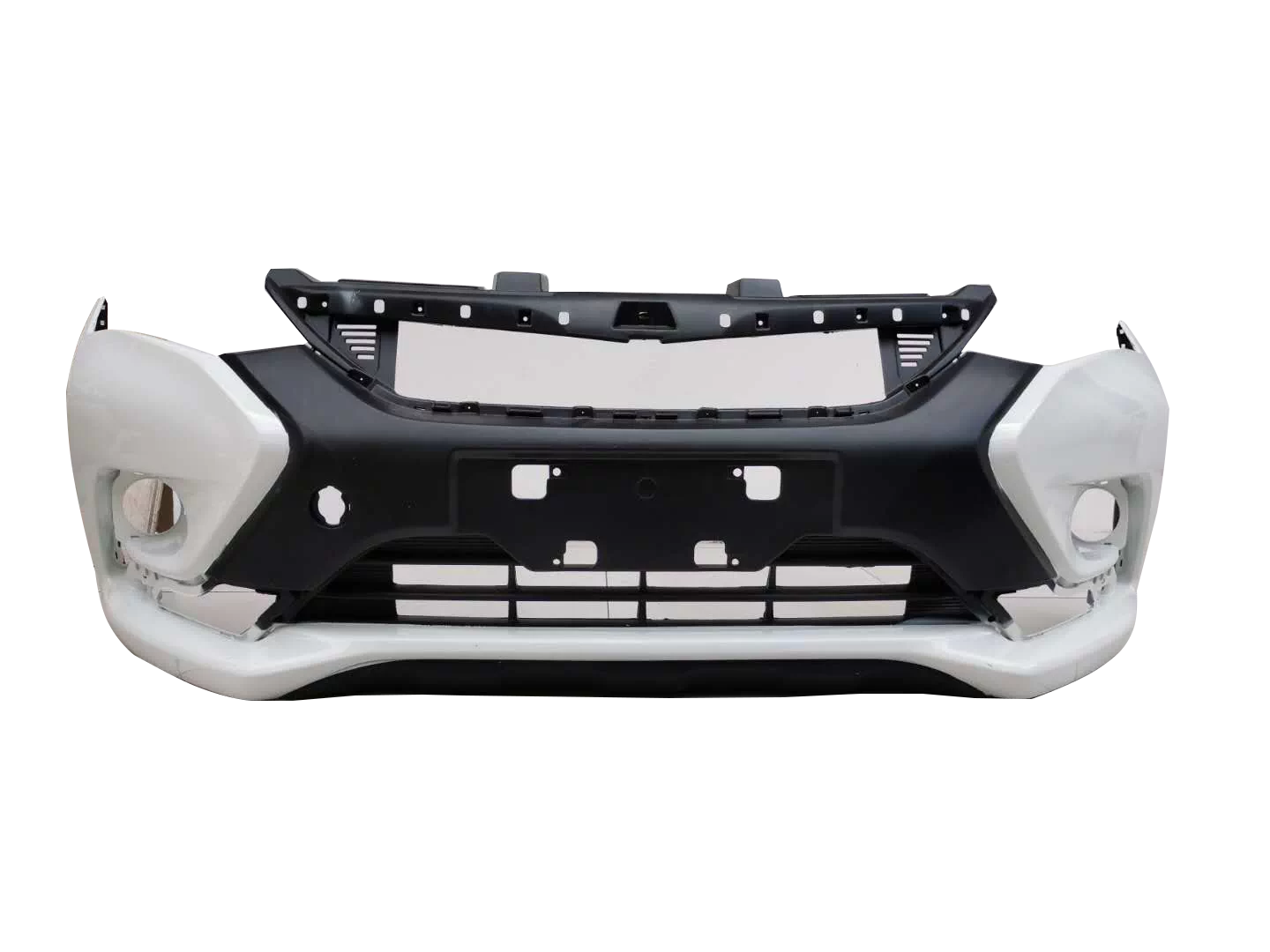
In automotive, China's impact copolymer PP output reached 9.19 million tons in 2025, up 13.4% year-on-year. Lightweighting is pushing bumper, instrument panel carrier, and door panel wall thickness from 3.0 mm toward 2.5 mm or less, raising flow requirements for the base resin. EP300R B serves as a copolymer base resin in compounds, combined with tougheners, fillers, and color masterbatches to meet OEM VOC and odor requirements. Its FDA 21 CFR 177.1520 compliance also allows direct use in thin-wall food packaging, shortening validation for export-oriented food container makers. High-flow PP for appliances and automotive compounds therefore benefits from a grade that balances flow and low-temperature toughness rather than maximizing MFR.
Supply Chain and Modification Support for High-Flow PP
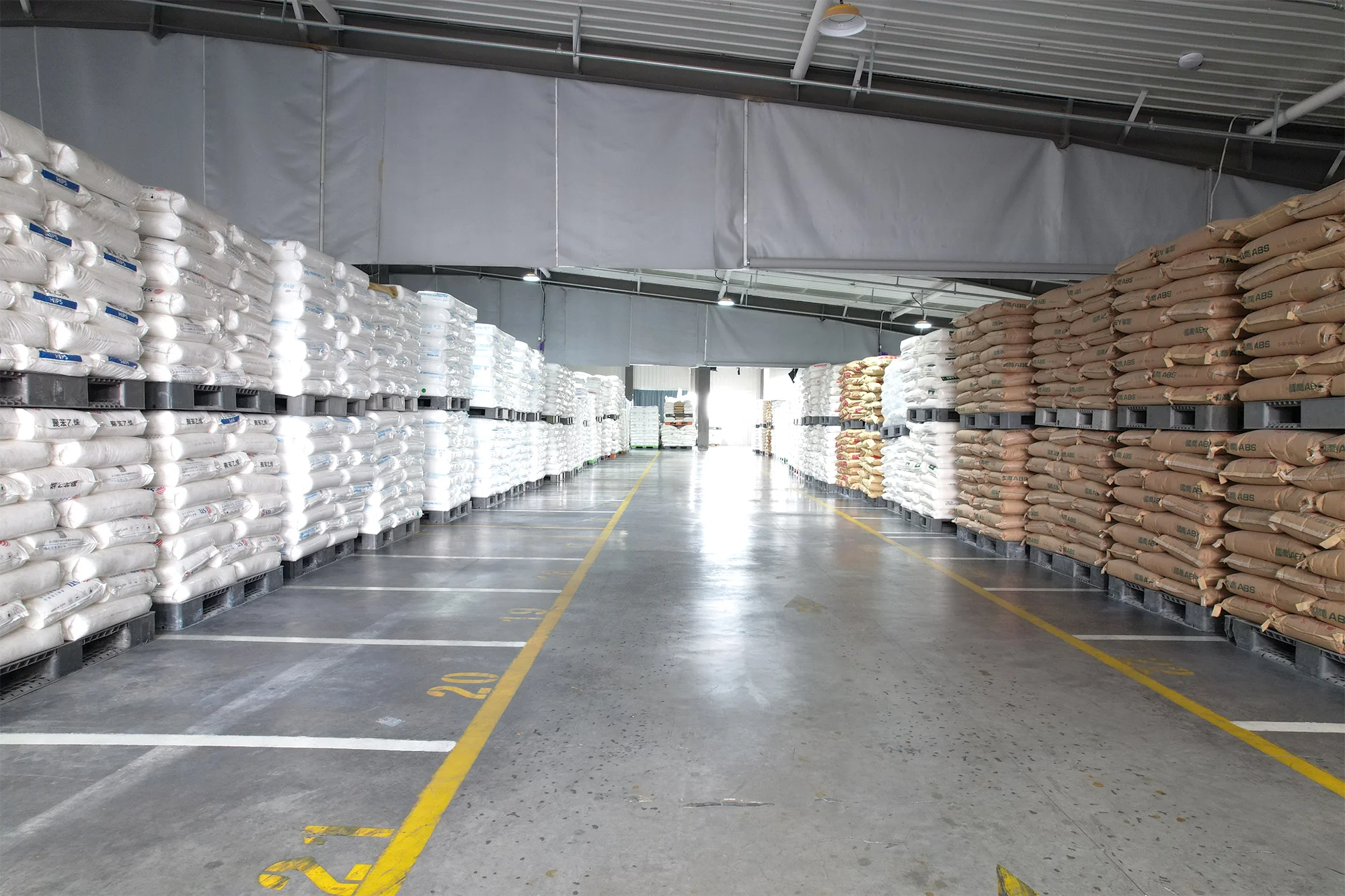
Material selection does not end with a datasheet. Supply continuity and modification support often determine whether a project moves from trial to mass production. Qingdao Prime Union Trade Co., Ltd. has over 20 years of experience in plastic raw material distribution. As an authorized Tier-1 distributor for Chimei, SABIC, Hanwha Total, and Hyosung, with direct supply channels from Mitsubishi, Rohm, and LG Chem, the company maintains high inventory of ABS, PC, PP, PMMA, EVA, and other engineering plastics. Four major warehouses across China support general trade, processing trade, and bonded transfer business. For imported grades such as Moplen EP300R B, local stock can reduce lead times and provide flexibility for different customs and tax arrangements.
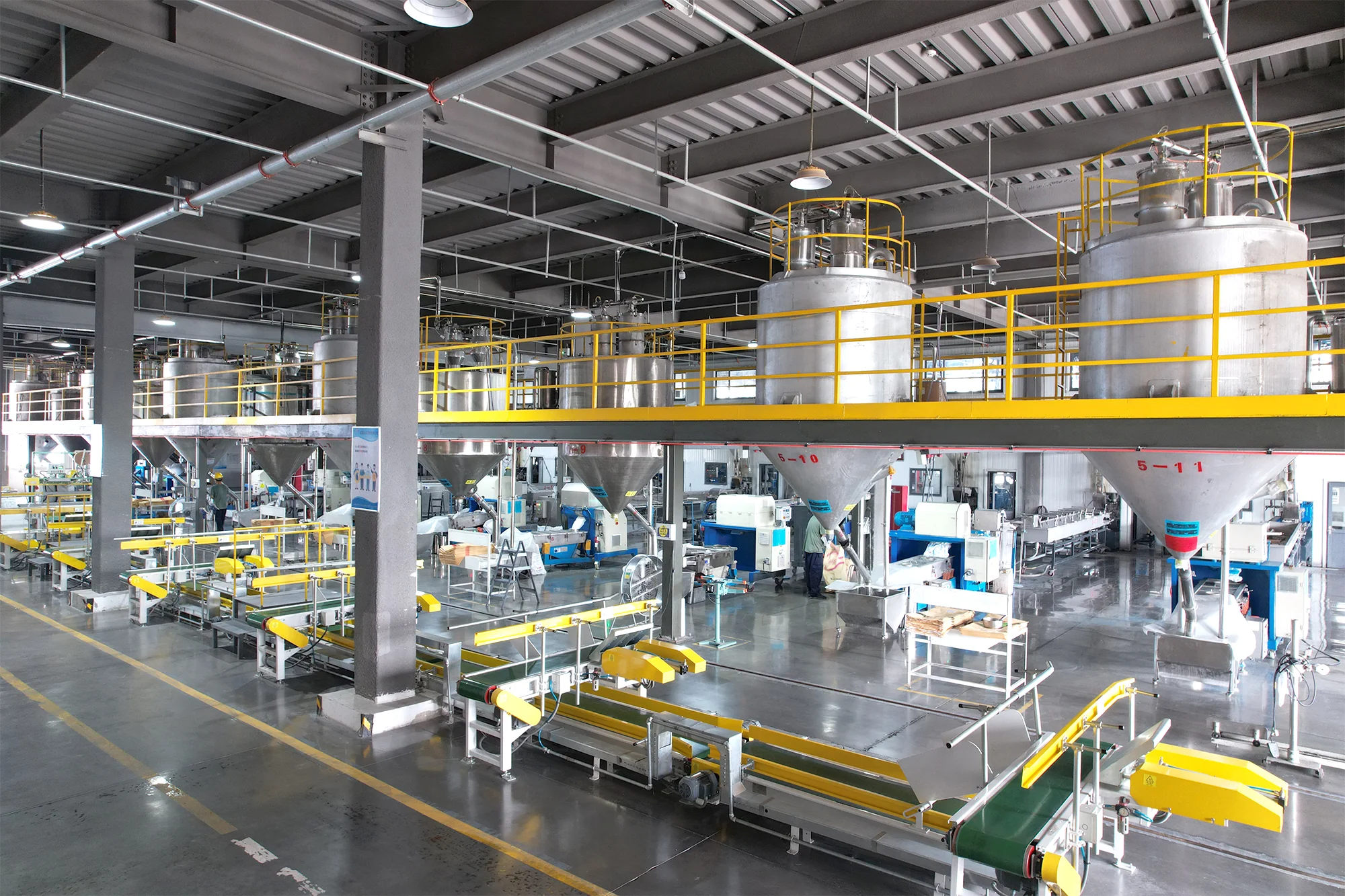
Modification support comes from our sister company, Qingdao Primetech Plastics Co., Ltd. This in-house compounding factory focuses on engineering plastics modification and coloring. Materials include PC, ABS, PP, PA, PBT, PPS, PPA, and PETG. Modification capabilities cover toughening, filling, alloying (such as PC/ABS), flame retardancy, and custom coloring, as well as medical color masterbatches. Standard colors and basic modifications are sampled in 3 days and delivered in 7 days. All samples are paid and deductible from future orders. From our experience, when a molder needs to combine EP300R B with a filling or toughening system, having modification support in the same group reduces formulation trial time and speeds up project validation.
Table 3: Supply and Modification Capabilities
| Service Area | Capability | Value for High-Flow PP Selection |
|---|---|---|
| Stock Supply | High inventory of PP and engineering plastics | Shortens lead time for Moplen EP300R B and similar grades |
| Warehousing | Four major warehouses across China | Improves regional delivery efficiency |
| Modification | Toughening, filling, alloying, flame retardancy, coloring | Expands EP300R B use in automotive and appliances |
| Color Masterbatch | Standard colors and medical color masterbatch | Meets appearance and compliance needs |
| Sampling | Basic modification sampled in 3 days, delivered in 7 days | Accelerates project validation |
Enterprise Strengths
Authorized Distribution
As an authorized Tier-1 distributor for Chimei, SABIC, Hanwha Total, and Hyosung, with direct supply channels from Mitsubishi, Rohm, and LG Chem, the company maintains high inventory of ABS, PC, PP, PMMA, EVA, and other engineering plastics.
Warehousing and Trade Flexibility
Four major warehouses across China support general trade, processing trade, and bonded transfer business. For imported grades such as Moplen EP300R B, local stock can reduce lead times and provide flexibility for different customs and tax arrangements.
Modification Support
Our sister company, Qingdao Primetech Plastics Co., Ltd., focuses on engineering plastics modification and coloring. Materials include PC, ABS, PP, PA, PBT, PPS, PPA, and PETG. Modification capabilities cover toughening, filling, alloying (such as PC/ABS), flame retardancy, and custom coloring, as well as medical color masterbatches.
Sampling and Delivery
Standard colors and basic modifications are sampled in 3 days and delivered in 7 days. All samples are paid and deductible from future orders, which accelerates project validation from trial to mass production.
Conclusion
Moplen EP300R B represents a practical route for high-flow impact copolymer PP: medium-high flow with a priority on low-temperature toughness. Its 30 g/10 min MFR and 130 J/m (23 °C) / 50 J/m (-20 °C) impact combination fit washing machine tubs, electrical structural parts, and medium thin-wall packaging. For thinner walls or longer flow paths, higher-flow grades or process re-tuning may be required. As lightweighting continues in appliances and automotive, procurement teams should look beyond datasheet values and assess supply reliability, trade flexibility, and modification support. A grade is only as good as the supply chain and technical service behind it. Engineers and buyers who validate flow length, low-temperature impact, and batch consistency early will reduce the risk of late-stage production issues.