
 English
 Korean


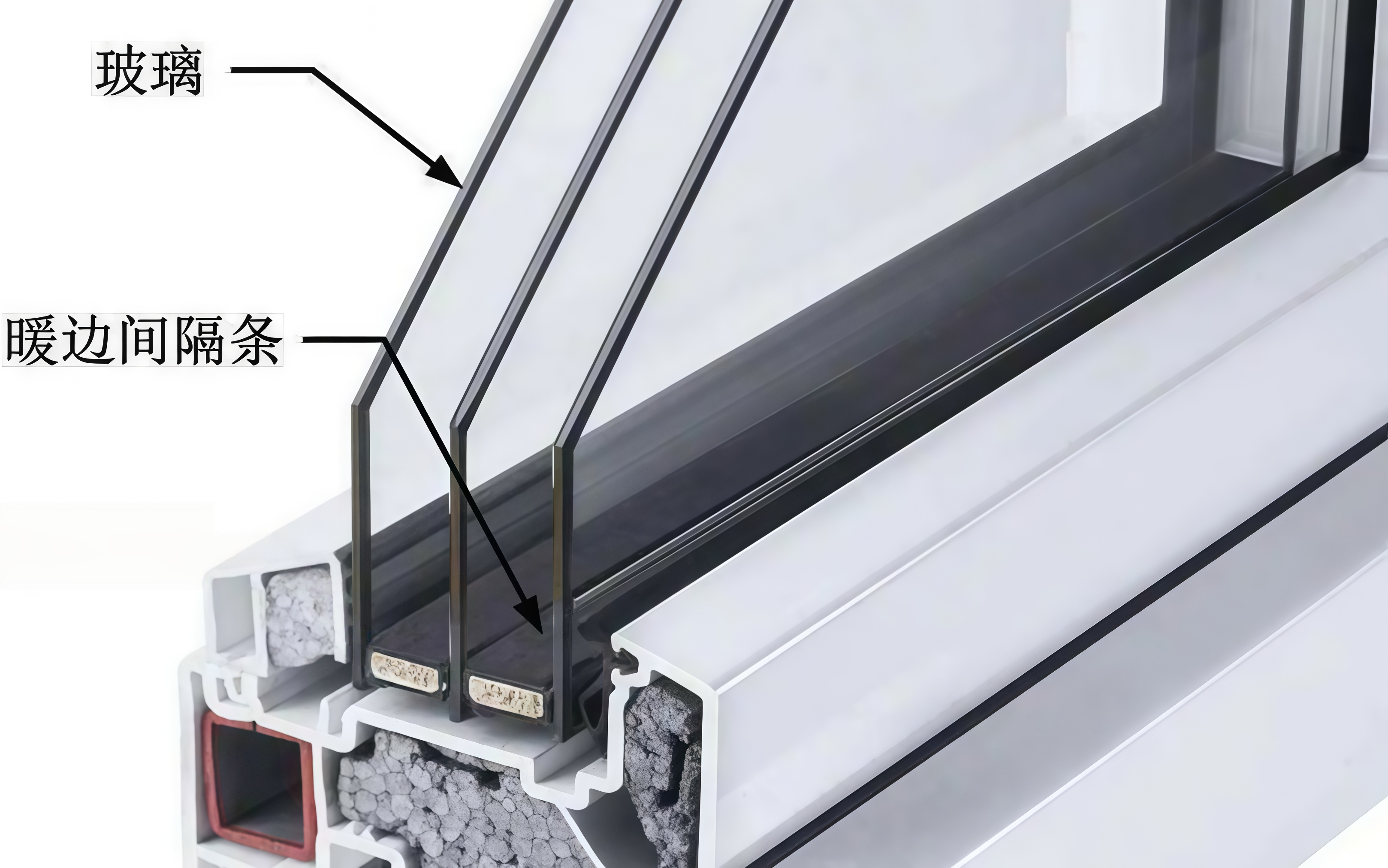
The global warm edge spacer market was valued at approximately USD 559 million in 2025 and is projected to grow at a CAGR of 4.9% through 2035. With buildings accounting for roughly 40% of global energy consumption, regulators worldwide are tightening energy performance standards. Up to 80% of energy loss through a window occurs at its edge, which explains why the choice of warm edge spacer material has become a critical decision for fenestration manufacturers.
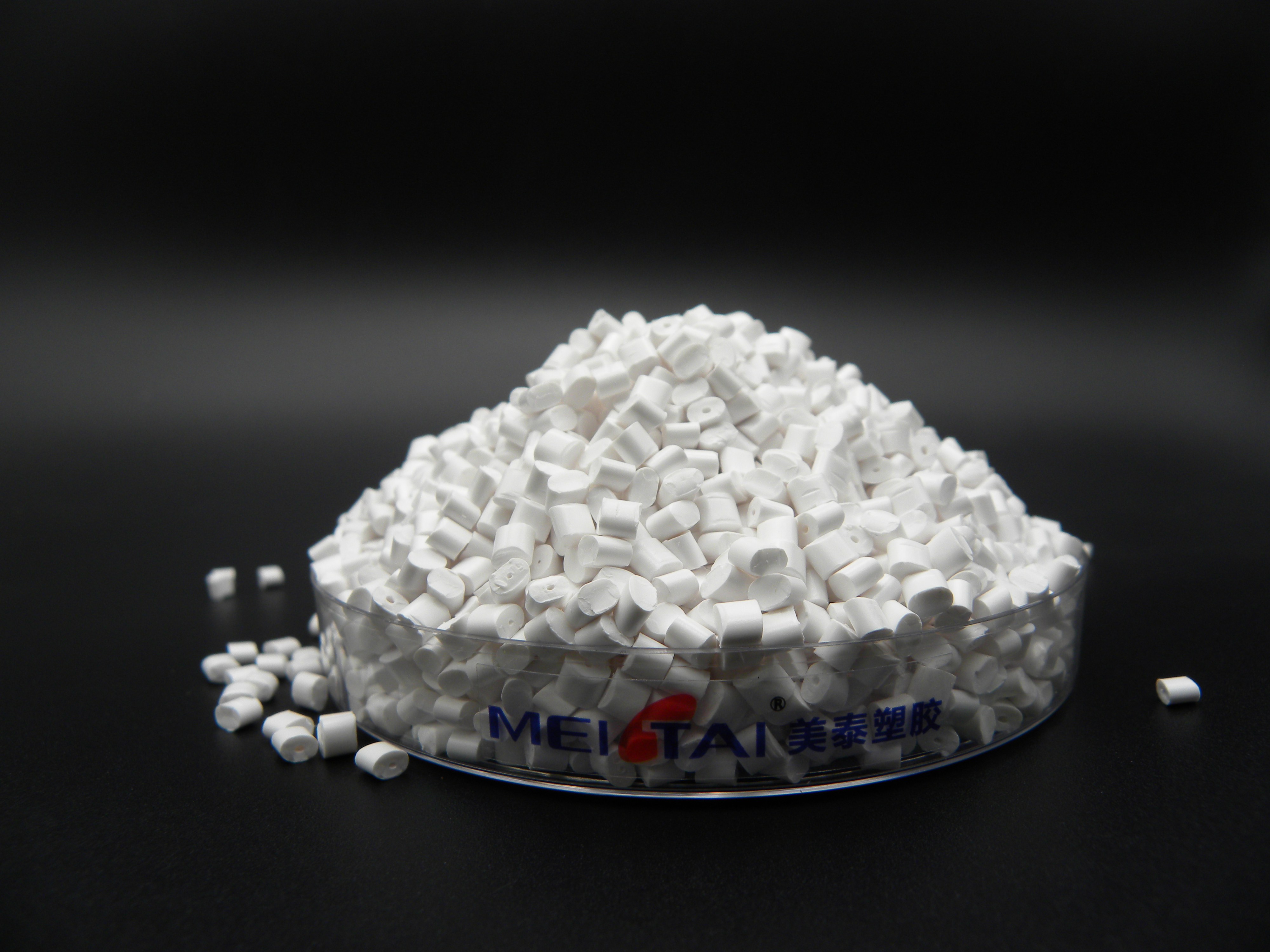
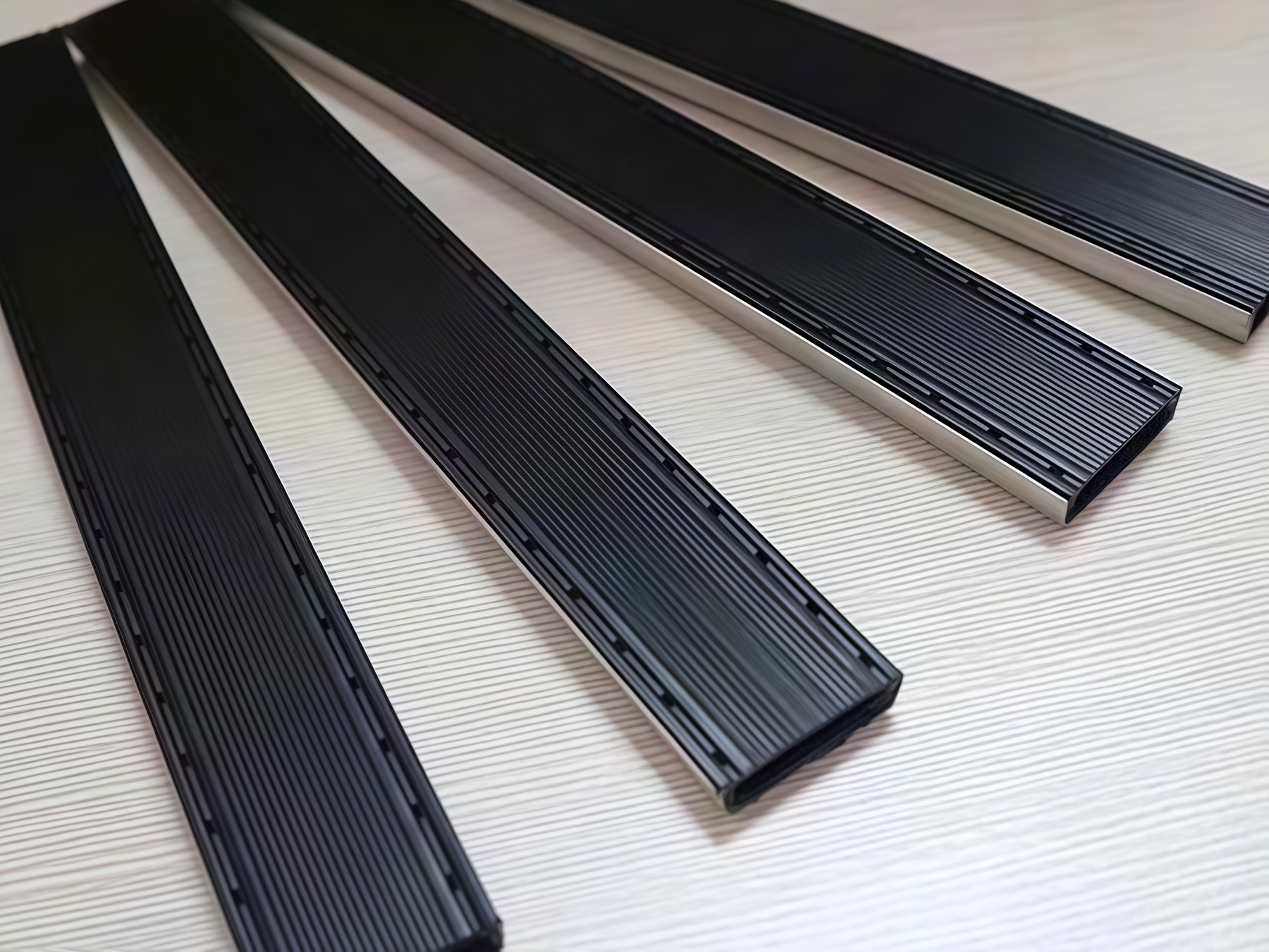
In the modified plastics industry, two material solutions have emerged as the dominant choices for warm edge spacers: enhanced ABS (typically with 30-35% glass fiber reinforcement) and glass fiber reinforced PP (typically with 40% glass fiber content). Based on our experience supplying modified engineering plastics to the fenestration and cold chain industries, we have observed that these two materials serve distinct application segments rather than competing directly. Enhanced ABS warm edge spacers are predominantly used in building windows and doors, while glass fiber reinforced PP warm edge spacers are primarily specified for refrigerated display cases and cold storage glass applications.
This guide breaks down the technical case for both material solutions, covering mechanical properties, application-specific performance requirements, and sourcing considerations for procurement managers and product engineers.
Enhanced ABS for Building Windows and Doors: Rigidity, Precision, and Long-Term Stability
Building windows and doors present a demanding service environment. Warm edge spacers must withstand long-term static loads from the weight of insulating glass units, wind pressure, repeated opening and closing vibrations, and thermal expansion and contraction across seasonal temperature variations. In this scenario, dimensional stability and long-term creep resistance take priority over other performance attributes.
ABS+35GF has become the mainstream solution for building fenestration applications. The addition of glass fiber transforms standard ABS — which typically offers tensile strength around 45 MPa and flexural modulus around 2,500 MPa — into a high-performance engineering material. Representative test data shows that ABS+35GF compounds achieve tensile strength of 100-110 MPa, flexural strength of 140-155 MPa, flexural modulus of 7,300-7,700 MPa, notched impact strength of 9-12 kJ/m², and heat deflection temperature of 95-100°C under 1.8 MPa load.
The most critical performance requirement for building window spacers is not maximum strength but dimensional stability. The spacer forms a long-term reliable seal between the glass panes and the sealant system. ABS+GF compounds achieve molding shrinkage as low as 0.2%, meaning the spacer dimensions change minimally after injection molding. This prevents seal failure due to thermal expansion and contraction — windows remain effectively sealed after 5 or 10 years of service, with minimal condensation risk at the glass edge.
Appearance consistency is another factor that building fenestration manufacturers prioritize. Window profiles are typically dark-colored, and spacers must coordinate visually with the frame system. ABS accepts color compounding readily, and black enhanced ABS spacers match well with aluminum-clad wood, thermally broken aluminum, and PVC window profiles. From our experience supplying to the fenestration sector, color stability across production batches is a key decision factor in procurement evaluations.
Glass Fiber Reinforced PP for Refrigerated Display Cases: Low-Temperature Toughness, Cost Efficiency, and Processability
Refrigerated display cases and cold storage glass applications present a fundamentally different service environment compared to building windows. These units typically operate at -18°C to -25°C, with a significant temperature differential between the interior and exterior glass surfaces. The warm edge spacer operates continuously at low temperatures while accommodating thermal stress from the temperature gradient. In this scenario, low-temperature impact resistance and cost efficiency take priority.
PP+40GF has established itself as the preferred solution for refrigerated display case spacers. PP has a glass transition temperature (Tg) of approximately -10°C to -20°C. While this approaches the operating temperature range of cold storage units, PP+40GF retains sufficient impact resistance at low temperatures. Test data shows that PP+40GF achieves notched impact strength of 16-18 kJ/m² at 23°C — significantly higher than enhanced ABS grades. More importantly, PP maintains its impact resistance better than ABS at sub-zero temperatures, making it more reliable for refrigerated applications where brittle failure is a primary concern.
Cold storage equipment manufacturing operates at large scale with high sensitivity to component costs. PP has a density of approximately 0.9-0.95 g/cm³, substantially lower than ABS at 1.3-1.4 g/cm³, meaning less material is required per spacer. Combined with the lower base resin cost of PP, the total material cost reduction ranges from 10% to 20% compared to ABS-based solutions.
Heat deflection temperature of PP+40GF reaches approximately 155-160°C under 1.8 MPa load — far above the actual service temperature, providing substantial thermal margin. Flexural modulus of 6,100-6,300 MPa is adequate for refrigerated case glass support requirements, as these glass units are typically smaller than building fenestration products with correspondingly lower dead loads.
Processing efficiency is another practical advantage. PP+GF compounds have moisture content below 0.2% and do not require pre-drying for most extrusion and injection molding operations, reducing production lead time and energy consumption. For refrigerated case manufacturers, the combination of cost control, processing efficiency, and low-temperature reliability explains why glass fiber reinforced PP has become the standard warm edge spacer material in the cold chain industry.
Performance Comparison: Enhanced ABS vs. Glass Fiber Reinforced PP
For direct comparison, the core performance indicators of ABS+35GF and PP+40GF warm edge spacer compounds are summarized below:
| Property | ABS+35GF | PP+40GF | Implication |
|---|---|---|---|
| Tensile Strength | 100-110 MPa | 90-95 MPa | ABS offers higher strength |
| Flexural Strength | 140-155 MPa | 120-125 MPa | ABS provides better load-bearing capacity |
| Flexural Modulus | 7,300-7,700 MPa | 6,100-6,300 MPa | ABS delivers superior rigidity and deformation resistance |
| Notched Impact Strength (23°C) | 9-12 kJ/m² | 16-18 kJ/m² | PP offers better impact resistance |
| Heat Deflection Temp (1.8MPa) | 95-100°C | 155-160°C | PP provides greater thermal margin |
| Molding Shrinkage | ~0.2% | 0.5-0.7% | ABS achieves higher dimensional precision |
| Density | 1.31-1.33 g/cm³ | ~1.22 g/cm³ | PP is lighter, using less material per volume |
| Material Cost | Higher | Lower (10-20% less) | PP offers significant cost advantage |
| Primary Application | Building windows and doors | Refrigerated display cases | Different service environments |
ABS+35GF delivers advantages in rigidity and dimensional precision, making it the appropriate choice for building fenestration where deformation control and long-term dimensional stability are critical. PP+40GF delivers advantages in low-temperature impact resistance and cost control, making it the appropriate choice for refrigerated applications where low-temperature reliability, lightweighting, and economic efficiency are prioritized.
Sourcing Warm Edge Spacer Compounds: Supply Integration and Customization Capabilities
Having clarified the material direction, sourcing execution becomes equally important. The procurement of warm edge spacer compounds involves more than selecting a specification. Raw material quality, formulation adjustment capability, batch-to-batch consistency, and delivery efficiency — each factor affects the final product quality and production stability.
Raw Material Supply
Qingdao Prime Union Trade Co., Ltd. brings over 20 years of experience in plastic raw material distribution. The company is an authorized Tier-1 distributor for Chimei, SABIC, Hanwha Total, Hyosung, Mitsubishi, Rohm, and LG Chem. The product portfolio includes ABS, PC, PP, PMMA, EVA, and other engineering plastics. With four major warehouses across China and high inventory levels of mainstream grades, Prime Union supports general trade, processing trade, and bonded transfer business with reliable supply capacity.
Modification & Customization
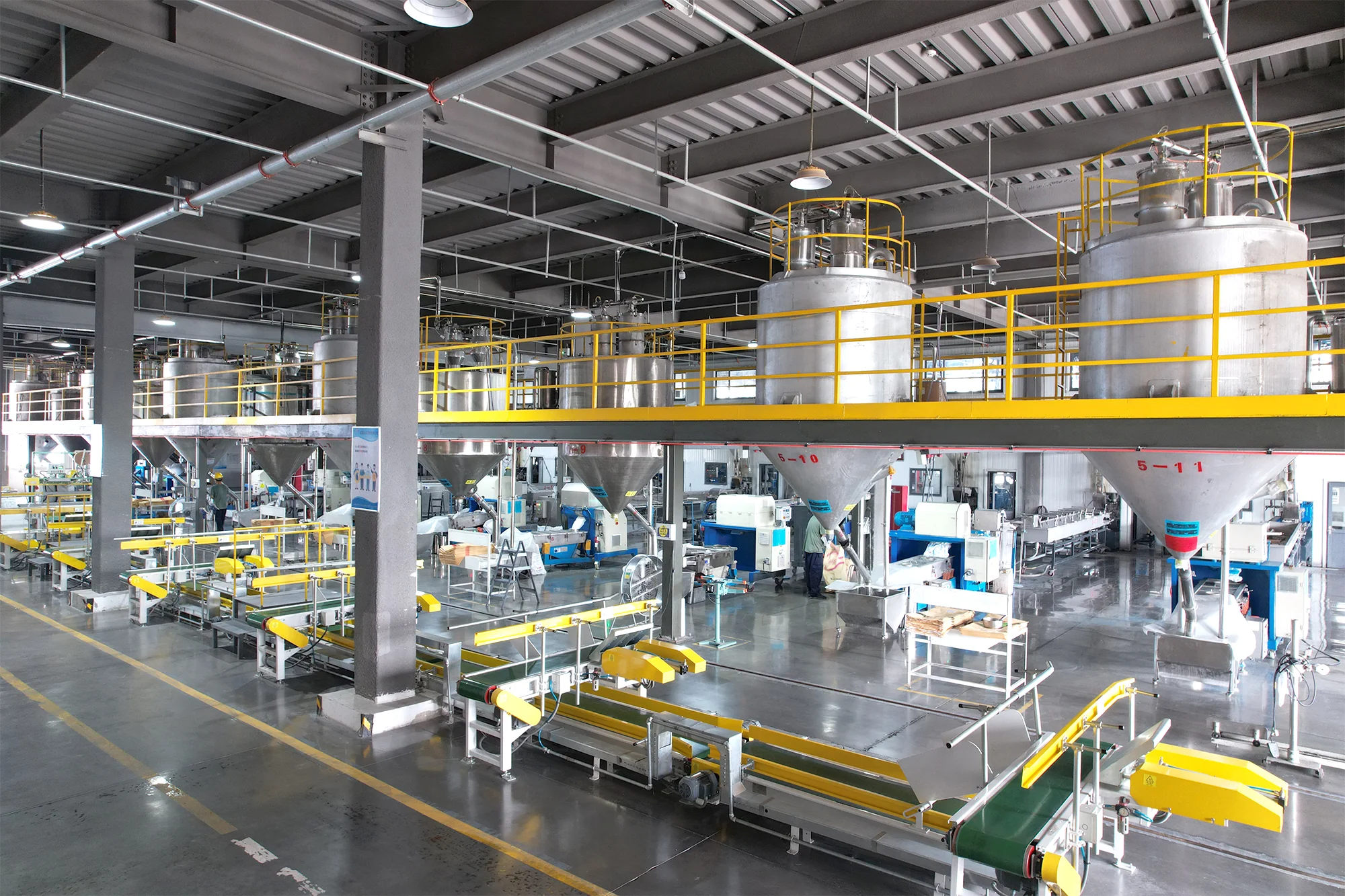
The sister company, Qingdao Primetech Plastics Co., Ltd., operates as the modification and color compounding arm. Primetech is a national high-tech enterprise and a recognized "Specialized and Sophisticated" enterprise in Qingdao, with IATF 16949 and GRS certifications. The company operates two manufacturing facilities with 22 Coperion twin-screw extrusion lines, achieving annual production capacity of 25,000 tons. Modification capabilities include glass fiber reinforcement, toughening, filling, alloying (such as PC/ABS), flame retardancy, custom coloring, antistatic treatment, and weathering resistance. The material portfolio covers PC, ABS, PP, PA, PBT, PPS, PPA, PETG, and other engineering plastics.
Collaborative Value
The collaborative value between the two companies deserves specific attention. Prime Union supplies high-quality virgin raw materials from international brand producers, while Primetech develops modified compounds and custom formulations based on these feedstocks. This vertically integrated model — raw material distribution combined with in-house modification — enables faster response to downstream application requirements. When standard grades cannot meet specific performance targets, Primetech can adjust formulations based on the Prime Union material portfolio without waiting for lengthy approval processes from overseas manufacturers.
For warm edge spacer manufacturers, this integration delivers two practical benefits. First, raw material traceability and batch-to-batch stability are assured — modification starts from branded virgin resins rather than unidentified recycled feedstocks. Second, color and performance can be adjusted flexibly to meet specific requirements. Conventional colors (black, gray, and white are the most common for warm edge spacers) and standard modifications typically achieve sample development within 3 days and production delivery within 7 days. Color matching can be developed based on Pantone references or customer physical samples, ensuring consistent color across production batches.
Batch Consistency & Long-Term Supply
Batch-to-batch consistency deserves particular emphasis. Warm edge spacer production typically runs continuously, and even minor variations in material properties can result in dimensional deviations or mechanical failures across entire production lots. To ensure consistency, the modification process requires full-chain quality control — from incoming raw material inspection, compounding homogenization, extrusion process parameter monitoring, in-process quality testing, to final COA (Certificate of Analysis) issuance. Each batch is accompanied by key performance test data including tensile strength, flexural modulus, notched impact strength, melt flow index, and ash content, enabling downstream customers to verify material properties upon receipt.
From a long-term supply perspective, stable raw material channels and sufficient production capacity provide the foundation for uninterrupted delivery. Warm edge spacer compounds incorporate multiple components — base resin, glass fiber, coupling agents, lubricants, and stabilizers — each sourced from different supply chains. Suppliers with established Tier-1 distributor relationships and vertically integrated modification capabilities can maintain stable delivery during peak demand periods, avoiding supply disruptions caused by raw material shortages or capacity constraints.
Conclusion
Warm edge spacer material selection should be based on the specific application scenario. Building windows and doors should prioritize ABS+35GF, with emphasis on flexural modulus, molding shrinkage, and batch-to-batch color consistency. Refrigerated display cases should prioritize PP+40GF, with emphasis on low-temperature impact strength, material cost, and processing efficiency.
Customization capability is equally important. Glass fiber content can be adjusted, colors can be developed on request (with black, gray, and white as the most common options), and additive packages can be tailored to specific requirements. These customization options enable modified plastics to meet the specific specifications of different window and cold storage products. When performance specifications, application scenarios, and modification capabilities are considered together, procurement teams can achieve effective balance between performance and cost in warm edge spacer material sourcing.
As building energy codes continue to tighten globally and cold chain infrastructure expands, demand for high-performance warm edge spacers will accelerate across both segments. Selecting the right compound and the right supply partner today provides the foundation for reliable, cost-effective production in the years ahead.