 English
 Korean


LG Chem LUPURE BB120: Additive-Free LDPE for Blow-Fill-Seal Pharmaceutical Packaging
Blow-fill-seal processing continues to expand in sterile injectable manufacturing. The resin used in this process must form a stable parison, seal reliably, and withstand terminal sterilization. It also must not introduce migrating additives into the drug product. LG Chem LUPURE BB120 is an additive-free low-density polyethylene developed for this environment. It is designed for pharmaceutical bottles, shrinkage film, and various industrial packaging films. The grade is listed for use in blow-fill-and-seal machines for the production of ampoules and bottles, and it withstands steam sterilization at 109°C for less than 50 minutes. This article presents the material profile based on the public technical data sheet, covering physical properties, film performance, thermal behavior, and typical applications.
Material Overview
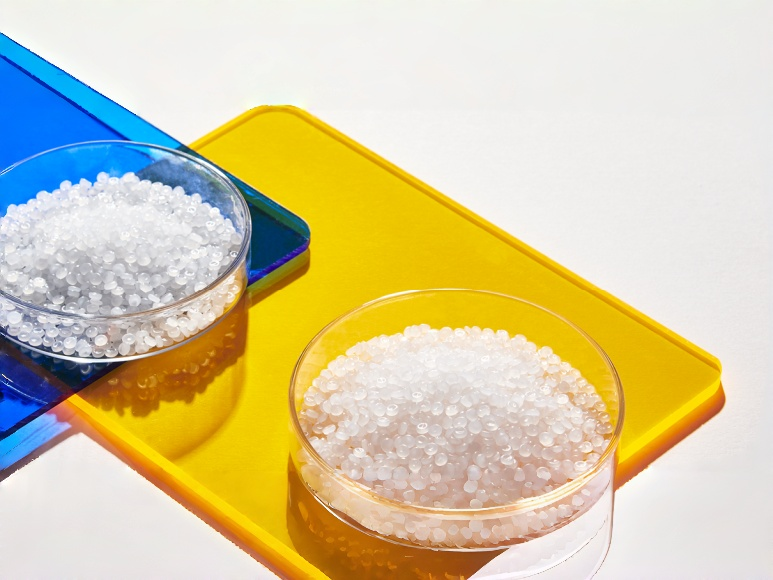
LUPURE BB120 is a low-density polyethylene with no slip and no antiblock agents. The absence of these additives is a deliberate formulation choice. Slip and antiblock agents are common in general-purpose LDPE grades, but they can migrate to the surface over time. In pharmaceutical packaging, surface migration becomes part of the extractables profile and can complicate drug product testing. BB120 removes that variable. The resin is intended for pharmaceutical bottles, shrinkage film, and industrial packaging where additive migration is a concern. Its primary application is pharmaceutical bottles produced on BFS machines.
Physical and Film Properties
The table below reproduces the typical properties from the LG Chem technical data sheet. These values are measured on standard film specimens and are not guaranteed specifications. They still provide a reliable basis for material evaluation.
| Property | Method | Condition | Unit | BB120 |
|---|---|---|---|---|
| MFI | ASTM D1238 | 190°C, 2.16 kg | g/10min | 0.3 |
| Density | ASTM D1505 | Density-Gradient | g/cm³ | 0.925 |
| Tensile Strength at Break Point, MD | ASTM D882 | 500 mm/min | kgf/cm² | 270 |
| Tensile Strength at Break Point, TD | ASTM D882 | 500 mm/min | kgf/cm² | 220 |
| Elongation at Break Point, MD | ASTM D882 | 500 mm/min | % | 550 |
| Elongation at Break Point, TD | ASTM D882 | 500 mm/min | % | 650 |
| Dart Impact Strength | ASTM D1709 | Method A | g | 220 |
| Haze (50 μm) | ASTM D1003 | 50 μm | % | 7.2 |
| Melting Temperature | LG Method | by DSC | °C | 114 |
| Vicat Softening Temperature | ASTM D1525 | A50 | °C | 102 |
The 0.3 g/10min melt flow index places BB120 at the lower-flow end of the LDPE range. Lower flow generally corresponds to higher melt strength. In BFS processing, higher melt strength helps the parison resist drawdown and maintain wall thickness during molding. Density at 0.925 g/cm³ provides a balance between stiffness and toughness. The tensile strength values of 270 kgf/cm² in the machine direction and 220 kgf/cm² in the transverse direction indicate good mechanical integrity. Elongation at break is 550% in MD and 650% in TD, which reflects the ductility of the resin. Dart impact strength of 220 g supports resistance to puncture and handling damage. Haze at 50 μm is 7.2%, giving a semi-transparent appearance suitable for applications where content visibility is required but high clarity is not essential.
Thermal Behavior and Sterilization
The thermal properties are central to the pharmaceutical application. The melting temperature is 114°C, and the Vicat softening temperature is 102°C. These values support the published sterilization condition: steam sterilization at 109°C for less than 50 minutes. At 109°C, the resin remains below its melting peak and above its Vicat softening point, which allows it to maintain dimensional stability during the sterilization cycle. The technical data sheet specifies this condition directly. Any deviation from the validated sterilization cycle should be evaluated with actual container testing, as the thermal response depends on the load configuration and the specific BFS bottle design.
Processing and Application Notes
BB120 is intended for use in blow-fill-and-seal machines. The process integrates parison extrusion, mold closing, blowing, filling, sealing, and trimming in one continuous sequence. The low MFI of 0.3 g/10min means the resin requires adequate extrusion torque and may generate higher back pressure than higher-flow grades. Adjustments to the temperature profile and screw speed are typically used to match the target cycle time without sacrificing melt strength. Because the resin contains no slip and no antiblock, die build-up from additive migration is reduced. This can simplify cleaning between production runs, but a proper purging procedure is still recommended when switching from additive-containing grades.
Drying is generally not required for LDPE due to its low moisture absorption. In high-humidity environments, it is good practice to confirm that packaging remains sealed before use. If the resin has been stored in an open environment for an extended period, a short low-temperature drying step may be considered based on actual moisture data.
Typical Applications
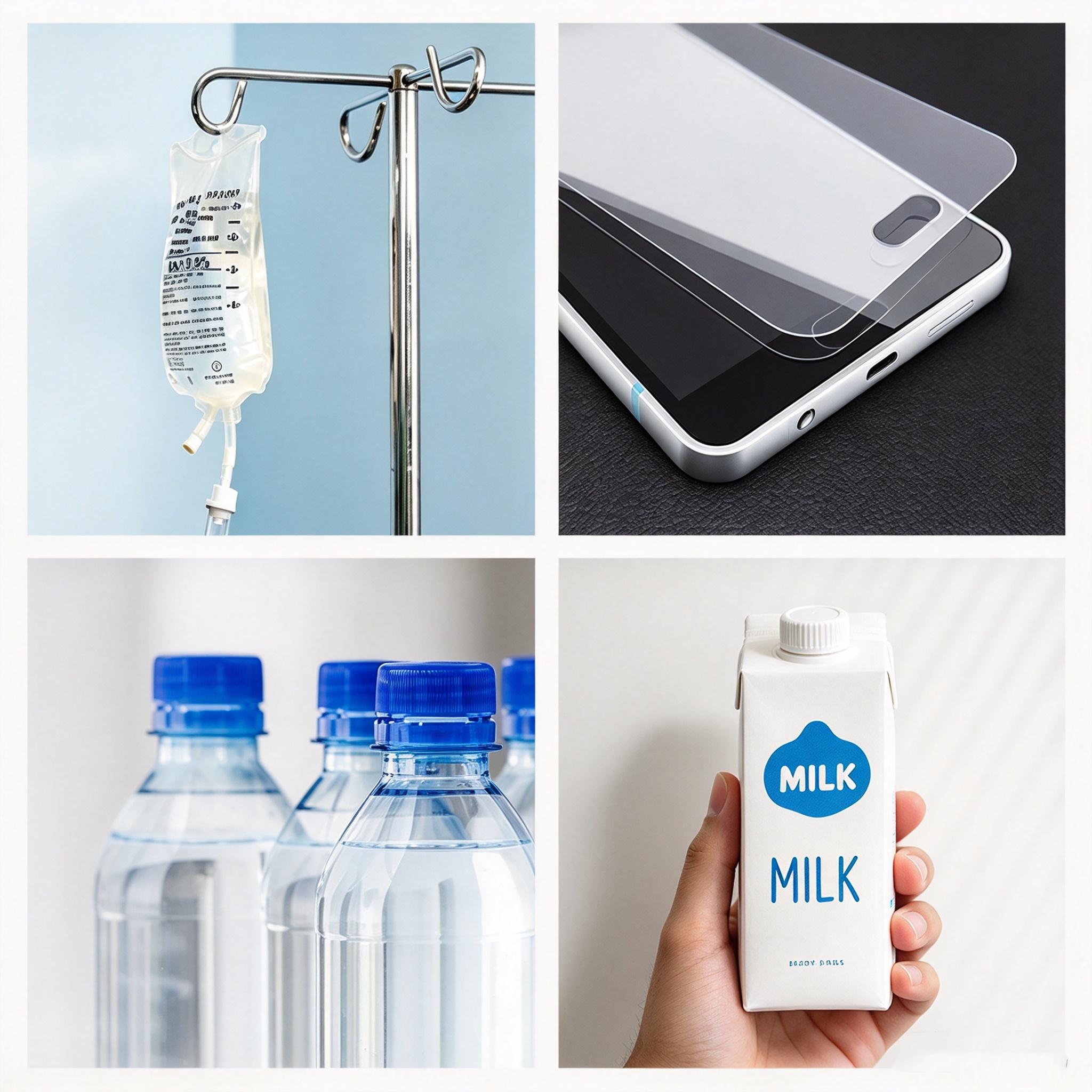
The primary application is pharmaceutical bottles, including ampoules and bottles produced on BFS machines. The additive-free formulation is relevant for injectable drugs, ophthalmic solutions, and other sterile liquid products where extractables are a concern. The resin is also suitable for shrinkage film and various industrial packaging films. The same purity profile that benefits pharmaceutical containers can be useful in industrial applications where surface contamination affects product performance.
Company Background
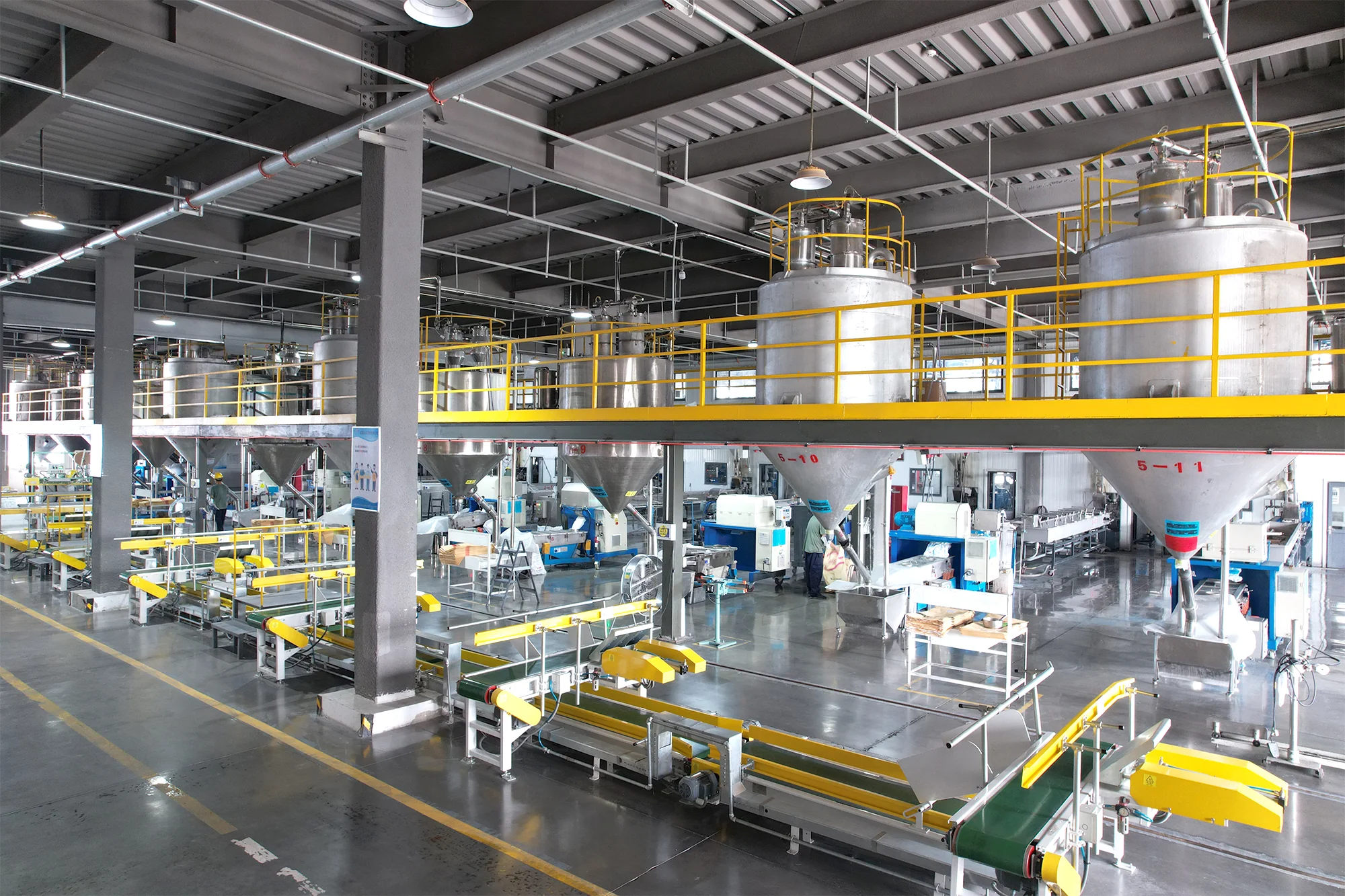
Qingdao Prime Union Trade Co., Ltd. has more than two decades of experience in plastic raw material distribution. The company is an authorized distributor for Chimei, SABIC, Hanwha Total, and Hyosung, and has direct supply channels from Mitsubishi, Rohm, and LG Chem.Its sister company, Qingdao Primetech Plastics Co., Ltd., provides modification and color compounding services for engineering plastics, including PC, ABS, PP, PA, and other materials. This integration supports technical review and application development for pharmaceutical and industrial packaging projects.
Conclusion
LUPURE BB120 is an additive-free LDPE designed for blow-fill-seal pharmaceutical packaging. Its 0.3 g/10min MFI, 0.925 g/cm³ density, and balanced tensile and impact properties support stable parison formation and container integrity. The absence of slip and antiblock agents reduces extractables complexity. The thermal profile aligns with steam sterilization at 109°C for less than 50 minutes. For BFS engineers and material specifiers, BB120 offers a focused combination of purity, processing consistency, and sterilization tolerance. As demand for sterile injectable packaging grows, materials that perform predictably across the BFS cycle and the sterilization cycle will remain essential.
References
LG Chem. (2025). LUPURE BB120 Technical Data Sheet. Public technical data sheet, issued 2025-09-25.