
 English
 Korean



How to Select Between NORYL GFN20, FE1520PW and FE1630PW
Selecting a glass fiber reinforced engineering plastic involves more than comparing the percentage of reinforcement. Resin composition, mechanical strength, stiffness, impact resistance, heat deflection temperature, moisture behavior, and processing requirements all influence the final performance of an injection-molded component.
SABIC's NORYL product range includes several reinforced grades developed for different engineering requirements. Among them, NORYL GFN20, FE1520PW, and FE1630PW are three grades worth evaluating when designing structural components, pump assemblies, valves, and water management equipment.
Although all three grades contain glass fiber, they are not interchangeable. GFN20 is positioned as a general-purpose reinforced material, while FE1520PW and FE1630PW are specifically described for water management applications. Their differences in reinforcement content and typical mechanical properties also influence material selection.
This guide reviews their documented properties, explains how the grades differ, and outlines the factors manufacturers should consider before choosing a material.
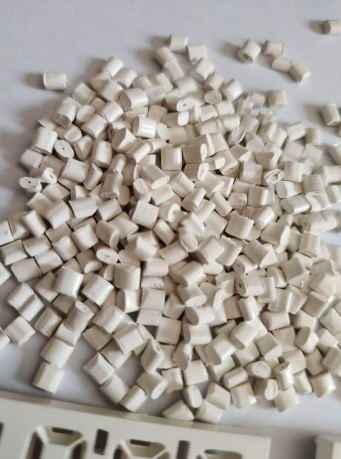
1. Overview of the Three SABIC NORYL Grades
NORYL is SABIC's product family of polyphenylene ether-based engineering resins. These materials are generally associated with the PPE/PPO engineering plastic family, which is valued in applications where dimensional stability, low moisture absorption, and balanced mechanical performance are important.
The specific resin composition should nevertheless be checked for each grade rather than assumed to be identical across the product family.
| Grade | Glass Fiber Content | Resin Description in the Reviewed TDS | Main Application Positioning |
|---|---|---|---|
| NORYL GFN20 | 20% | PPE + HIPS | General structural, construction, electrical, and outdoor equipment components |
| NORYL FE1520PW | 20% | PPE + PS | Pump housings, impellers, valves, membrane housings, and water management components |
| NORYL FE1630PW | 30% | PPE + PS | Water management components requiring higher stiffness and heat resistance |
GFN20's European TDS describes its resin composition as PPE blended with high-impact polystyrene (HIPS). The FE1520PW and FE1630PW technical data sheets describe their composition as PPE + PS. These descriptions should be retained when identifying the individual grades.
All three are injection-moldable materials, but their intended application profiles are different.
2. NORYL GFN20: A 20% Glass Reinforced General-Purpose Grade
NORYL GFN20 contains 20% glass fiber and is designed for general-purpose injection molding applications.
According to its European technical data sheet, the material is characterized by low moisture absorption, high strength, hydrolytic stability, low warpage, low specific gravity, and dimensional stability.
Its documented application areas include:
One notable feature in the European TDS is its UL 746C F1 outdoor suitability rating. The applicable rating should be checked against the relevant UL record, color, and component thickness before being used in a product specification.
From a material selection perspective, GFN20 is a candidate for components requiring a combination of stiffness, dimensional stability, and relatively low moisture uptake.
It is important not to confuse GFN20 with GFN20F. The GFN20F grade is a separate version referenced by SABIC for food-contact and NSF-related applications. Certifications or application approvals associated with GFN20F should not automatically be attributed to standard GFN20.
3. NORYL FE1520PW: 20% Glass Reinforcement for Water Management
NORYL FE1520PW is a 20% glass fiber reinforced PPE + PS blend developed for injection molding.
Unlike a general-purpose structural grade, its product positioning specifically emphasizes long-term hydrolytic stability, very low moisture absorption, and heat and hot-water resistance.
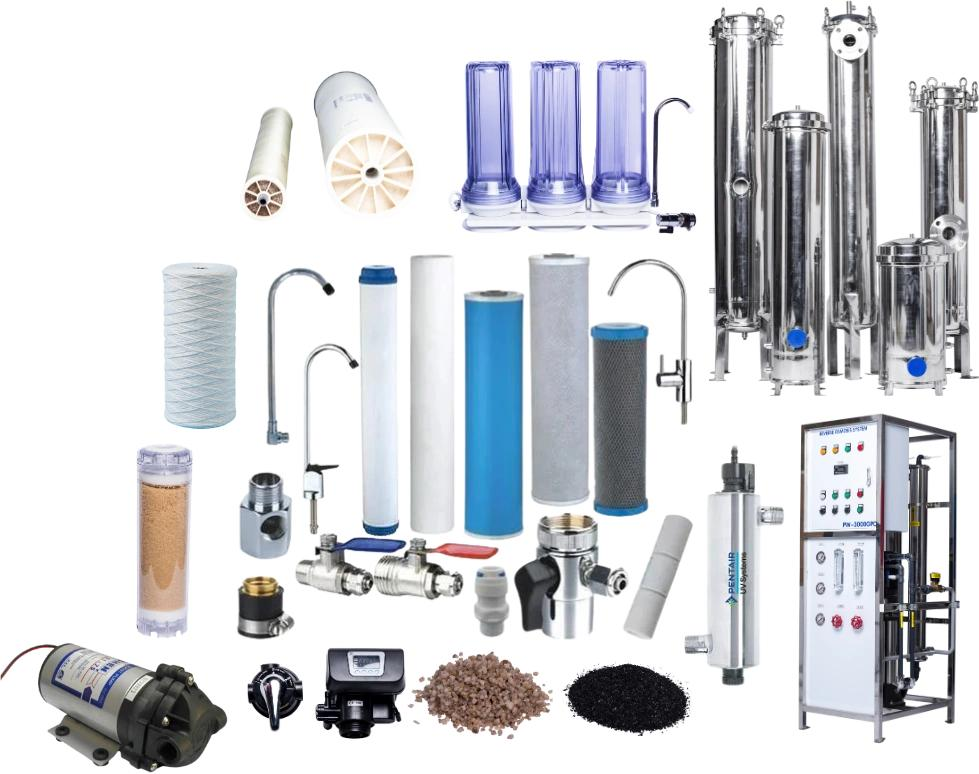
SABIC identifies several potential applications:
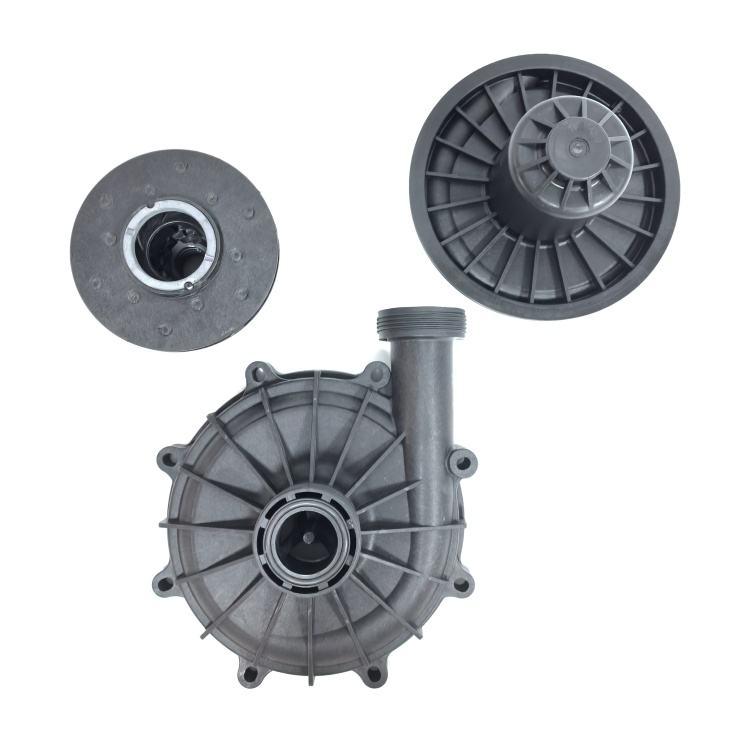
These applications involve different operating conditions. A pump housing may experience internal pressure and mechanical loading, while a valve component may need to maintain dimensional accuracy and sealing performance over time.
The material selection process should therefore consider the actual operating temperature, water chemistry, pressure, stress distribution, and expected service life.
FE1520PW may be considered where a 20% glass fiber reinforced material is suitable for the required structural and water management performance.
Its TDS also includes food-contact and potable-water-related compliance information for specific applications and colors. The exact color, approval scope, and applicable documentation must be checked before making any compliance claim.
4. NORYL FE1630PW: 30% Glass Reinforcement for Higher Stiffness Requirements
NORYL FE1630PW contains 30% glass fiber and uses a PPE + PS resin system.
Its higher glass fiber content is reflected in the typical mechanical values published in the reviewed TDS. Compared with FE1520PW, FE1630PW has higher tensile modulus, flexural modulus, flexural strength, and heat deflection temperature under the corresponding ISO test methods.
Its documented application areas include pump housings, impellers, shower and faucet components, membrane housings, and valves.
The additional reinforcement can be useful when a component requires greater stiffness or resistance to deformation under load. However, a higher glass fiber percentage does not automatically make a material the best choice for every design.
Manufacturers should also evaluate impact performance, flow behavior, weld-line strength, anisotropic shrinkage, surface appearance, and mold design.
For components with demanding structural requirements, FE1630PW is a candidate for further evaluation through prototype molding and application testing.
5. Technical Comparison: GFN20 vs FE1520PW vs FE1630PW
The following table summarizes selected typical properties from the reviewed SABIC technical data sheets.
| Property | GFN20 | FE1520PW | FE1630PW |
|---|---|---|---|
| Glass fiber content | 20% | 20% | 30% |
| Tensile stress | 80 MPa, yield | 119 MPa, break | 133 MPa, break |
| Tensile modulus | 6,000 MPa | 7,170 MPa | 9,600 MPa |
| Flexural stress, break | 120 MPa | 165 MPa | 192 MPa |
| Flexural modulus | 4,500 MPa | 6,040 MPa | 8,120 MPa |
| Izod impact, unnotched, +23°C | 23 kJ/m² | 25 kJ/m² | 30 kJ/m² |
| HDT/Ae, 1.8 MPa | 120°C | 132°C | 145°C |
| Density | 1.25 g/cm³ | 1.24 g/cm³ | 1.30 g/cm³ |
| Water absorption, 23°C saturated | 0.2% | 0.2% | 0.2% |
| MVR | 15 cm³/10 min | 22 cm³/10 min | 30 cm³/10 min |
| MVR test condition | 280°C / 10 kg | 280°C / 10 kg | 300°C / 10 kg |
Test methods and interpretation:
Important Differences When Comparing the Data
Tensile stress values are not directly equivalent.
GFN20's listed tensile stress is a yield value, while the FE1520PW and FE1630PW values in the table are tensile stress at break. These represent different points in a tensile test and should not be used to establish a simple strength ranking.
Impact data uses the same ISO method and temperature.
The unnotched Izod impact values at +23°C are 23, 25, and 30 kJ/m² respectively. Since the same test method and temperature are specified, these values provide a more consistent basis for comparison.
MVR test temperatures differ.
GFN20 and FE1520PW list MVR at 280°C under a 10 kg load, while FE1630PW lists MVR at 300°C under a 10 kg load. The values should not be compared as if they were measured under identical conditions.
Higher stiffness does not mean universal suitability.
FE1630PW has higher typical modulus values than FE1520PW in the reviewed TDS. However, actual component performance also depends on geometry, glass fiber orientation, molding conditions, weld lines, and service environment.
All values above are typical data from specific regional SABIC documents, not guaranteed purchasing specifications.
6. How to Choose the Appropriate NORYL Grade
A practical selection process should start with the component's operating requirements rather than the material name alone.
Choose GFN20 for General Structural Applications
GFN20 is a candidate when the application requires:
Examples include selected construction parts, electrical components, displays, and lawn and garden equipment.
The material's documented application positioning makes it particularly relevant for manufacturers evaluating general-purpose reinforced PPE-based plastics.
Choose FE1520PW for Water Management Components
FE1520PW should be evaluated when the component requires 20% glass fiber reinforcement together with the documented hydrolytic stability, low moisture absorption, and hot-water resistance features.
Potential components include pump housings, impellers, membrane housings, valves, and shower or faucet parts.
For drinking-water or food-contact applications, the exact regulatory status must be established for the selected color and application.
Choose FE1630PW When Higher Stiffness Is a Priority
FE1630PW is worth evaluating when the component requires a higher level of reinforcement and stiffness.
Its published tensile modulus, flexural modulus, and HDT/Ae values are higher than those of FE1520PW in the reviewed data sheets.
However, its higher glass fiber content should also be assessed in relation to impact requirements, flow length, surface finish, mold design, and dimensional tolerances.
A prototype or component-level validation is recommended before changing from a 20% to a 30% glass reinforced grade.
7. Injection Molding Considerations
All three grades are intended for injection molding. Although their processing technology is similar, manufacturers should use the processing recommendations for the exact material and regional TDS being purchased.
The following points deserve particular attention:
Material drying: Moisture control is important before processing. Follow the grade-specific drying temperature, drying time, and maximum moisture content stated in the relevant TDS.
Melt and mold temperature: Processing temperatures should be selected according to the material's documented processing window and the part's geometry. Do not transfer GFN20 settings directly to FE1520PW or FE1630PW without checking the relevant processing guidance.
Glass fiber orientation: Flow patterns influence fiber orientation, which can produce differences in shrinkage and mechanical behavior between flow and cross-flow directions.
Mold design: Gate location, wall thickness transitions, weld-line position, venting, and flow length should be considered when designing reinforced plastic components.
Dimensional verification: Measure critical dimensions after molding and conditioning. For precision components, evaluate shrinkage and warpage under representative production conditions.
A technically suitable resin can still produce unsatisfactory components if the mold and processing conditions are not properly matched to the material.
8. What to Verify Before Purchasing or Approving a Grade
Before adopting one of these materials in a production program, manufacturers should review the following items:
For water management components, an additional compliance review may be necessary. A product datasheet's general description does not replace confirmation of the applicable certificate, color, product construction, and intended use.
9. Engineering Plastics Trading and Compounding Capabilities
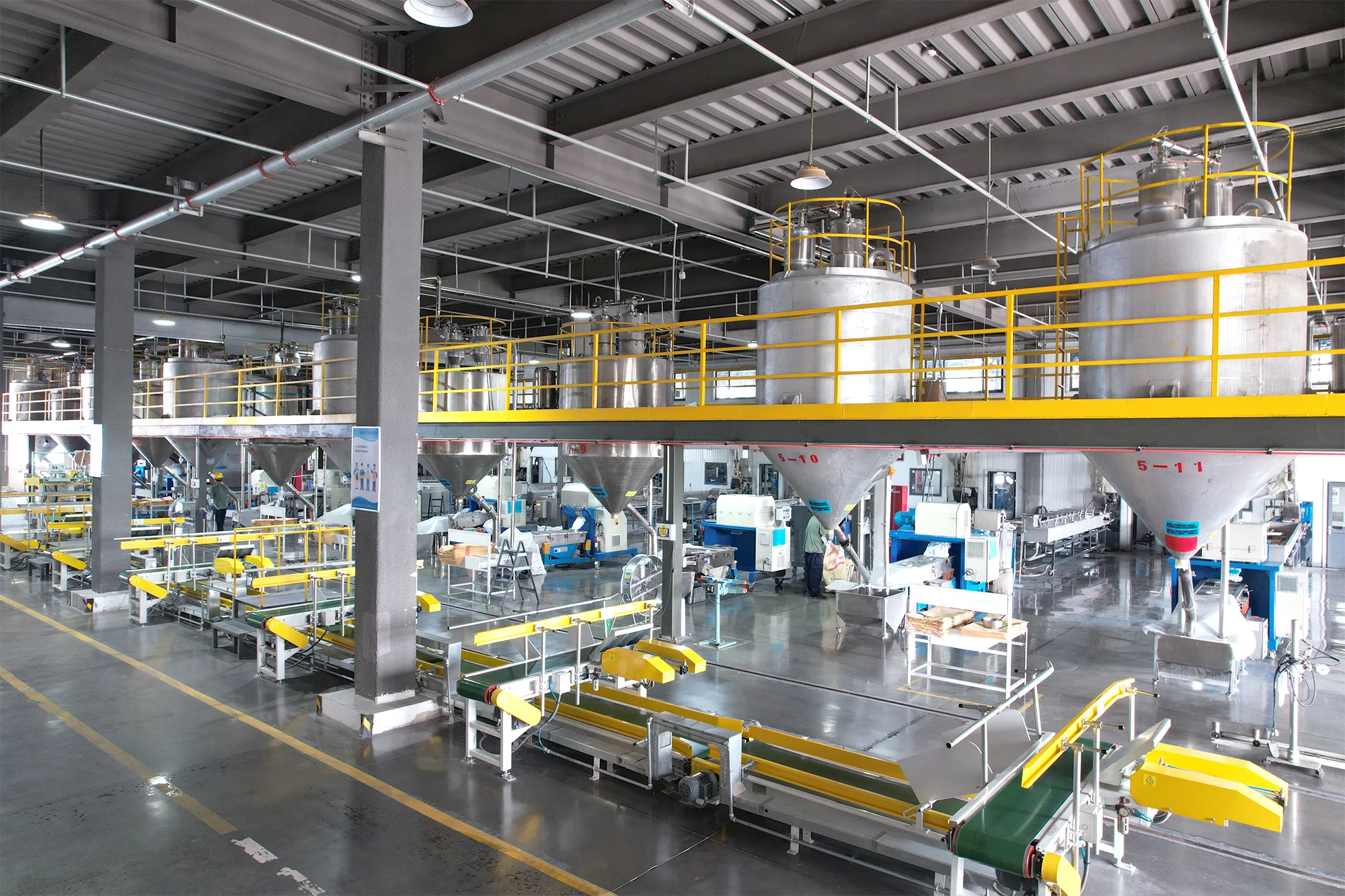
Qingdao Prime Union Trade Co., Ltd. has more than 20 years of experience in plastic raw material trading and distribution. Its product portfolio includes ABS, PC, PP, PMMA, EVA, and other engineering and commodity plastics. The company operates four company-owned warehouses in China and supports general trade, processing trade, and related bonded trade arrangements.
Qingdao Prime Union Trade Co., Ltd. has more than 20 years of experience in plastic raw material trading and distribution.
Its product portfolio includes ABS, PC, PP, PMMA, EVA, and other engineering and commodity plastics.
The company operates four company-owned warehouses in China and supports general trade, processing trade, and related bonded trade arrangements.
Its sister company, Qingdao Primetech Plastics Co., Ltd., operates as a separate company and focuses on engineering plastics compounding, modification, and color matching. Its capabilities include glass fiber reinforcement, filling, toughening, polymer alloying, flame-retardant modification, and custom coloring.
For projects requiring material solutions with performance characteristics similar to those considered in NORYL applications, the compounding team can evaluate potential modified material formulations based on the required properties and processing conditions. These customized compounds should be distinguished from original SABIC NORYL grades.
Conclusion
NORYL GFN20, FE1520PW, and FE1630PW serve different engineering requirements despite sharing a glass fiber reinforced PPE-based material family. GFN20 is positioned for general structural applications, FE1520PW is a 20% glass reinforced option for water management components, and FE1630PW provides a 30% glass reinforced option where higher stiffness and heat deflection performance are important.
The most appropriate choice depends on the component's actual service conditions, the required mechanical performance, processing requirements, and any applicable regulatory approvals. Reviewing the exact regional TDS and validating the material in the intended component remain essential steps in the selection process.