
 English
 Korean


The global polymethyl methacrylate (PMMA) market is undergoing a structural shift, driven by increasing demand for lightweight, optically clear materials in automotive lighting, display technologies, and architectural glazing. According to MarketsandMarkets, the PMMA market is projected to grow from USD 5.48 billion in 2026 to USD 6.48 billion by 2031, with optical-grade variants outperforming commodity grades in both volume growth and margin stability.
For procurement managers and processing engineers, the challenge lies in selecting a material that balances optical purity, thermal resistance, and processability—without compromising supply chain reliability. SABIC PMMA P20MH addresses this intersection. This article provides a technical deep-dive into its material properties, application fit, processing parameters, and procurement considerations, referencing the official SABIC technical data sheet (TDS) and current industry dynamics.
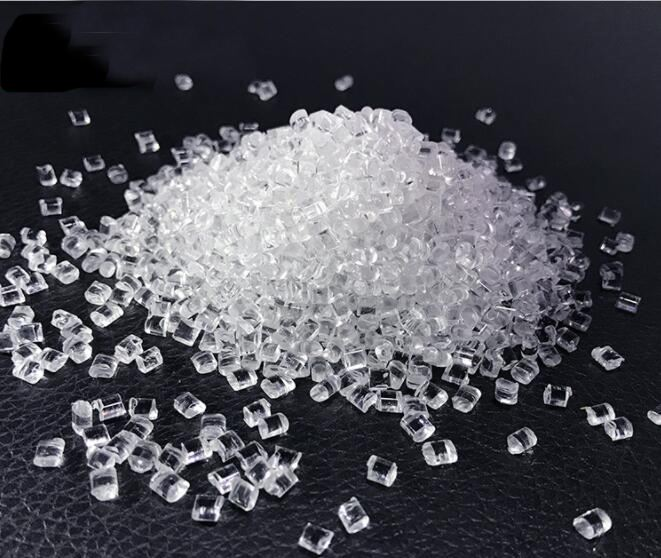
Material Properties: Decoding the Optical, Thermal, and Mechanical Profile
SABIC PMMA P20MH is classified as a general-purpose molding and extrusion grade, but its property balance makes it suitable for demanding optical applications. The table below summarizes the key metrics from the TDS, alongside their practical implications for engineers and buyers.
| Property | Typical Value | Test Method | Practical Implication |
|---|---|---|---|
| Total Light Transmittance | 92% | ISO 13468 | Ensures high luminous efficacy for tail lamps and light guides. |
| Haze | < 0.5% | ISO 14782 | Minimal light scattering, critical for sharp beam patterns. |
| Refractive Index | 1.49 | ISO 489 | Matches optical design requirements for lenses and display components. |
| DTUL @ 1.8 MPa | 101°C | ISO 75-12 | Withstands under-hood and high-ambient operating temperatures. |
| Vicat Softening Temp (B50) | 109°C | ISO 306 | Defines thermal limits for processing and end-use performance. |
| Tensile Strength | 76 MPa | ISO 527 | Provides structural integrity for thin-walled housings. |
| Flexural Modulus | 3100 MPa | ISO 178/1A | High rigidity ensures dimensional stability under load. |
| Notched Impact (Charpy) | 1.4 kJ/m² | ISO 179/1eA | Indicates moderate toughness – design should account for notch sensitivity. |
| Melt Flow Rate (230°C/3.8kg) | 2.0 g/10min | ISO 1133 | Medium flowability, suitable for both injection and extrusion processing. |
From a technical standpoint, the 92% transmittance and sub-0.5% haze are hallmark indicators of high optical purity. In automotive rear-lamp applications, this ensures that the light output meets regulatory intensity requirements without requiring oversizing of LED sources. The heat deflection temperature of 101°C is particularly relevant—while some competitors offer higher DTUL grades, P20MH provides a sufficient safety margin for standard tail lamp and interior optical components, where continuous use temperatures typically range between 80°C and 95°C.
For procurement managers, the inclusion of an MFR value of 2.0 g/10min is critical. It indicates a balanced molecular weight that allows stable extrusion of sheets and rods while still filling complex injection molds without excessive shear-induced degradation. It is worth noting that P20MH’s water absorption is specified at 0.3% (24hr, ISO 62). This low hygroscopicity translates to better dimensional stability in humid environments—a frequently overlooked factor in optical component longevity.
Application Mapping: From Automotive Tail Lamps to Light Guide Plates
Based on field feedback from injection molders and end-users, SABIC PMMA P20MH demonstrates versatility across multiple high-value segments.
| Industry | Typical Components | Material Advantage |
|---|---|---|
| Automotive Lighting | Tail lamp covers, instrument panels, interior optics | Heat resistance up to 101°C, UV stability, glass-like aesthetics |
| Optoelectronics | LCD light guide plates, display panels | Low birefringence, high homogeneity, moldability for micro-patterns |
| Lighting Fixtures | LED tube covers, luminaire diffusers | High luminous efficiency, surface hardness (Rockwell M100) |
| Extruded Products | Sheets, rods, pipes for architectural and industrial use | Consistent melt strength, low die swell, good transparency retention |
| Consumer Goods | High-end tableware, transparent enclosures | Food-contact compliant (EU/USFDA standards apply), scratch resistance |
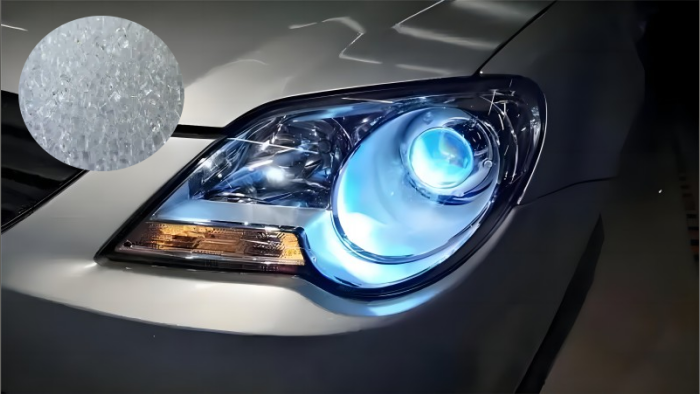
Automotive lighting remains the volume driver. With the proliferation of full-width rear lamps and ambient interior lighting in new energy vehicles (NEVs), the demand for optical-grade PMMA has increased substantially. In these applications, P20MH’s combination of UV resistance and thermal stability ensures that the material does not yellow or degrade over extended outdoor exposure. A key insight from recent customer projects is that the material’s consistent optical purity directly impacts the light uniformity across the entire lamp assembly—variations in haze above 1.0% can lead to visible bright spots, requiring costly re-engineering.
In the extrusion segment, the material’s high melt strength allows for the production of sheets up to several millimeters thick with minimal optical distortion. This is particularly relevant for sound barriers and architectural glazing, where transparency and long-term weatherability are mandatory. The mold shrinkage range of 0.2 – 0.6% (ISO 294-4) should be carefully evaluated during tool design, especially for large-format parts, to ensure final dimensions align with assembly tolerances.
Processing Guidelines: Practical Parameters for Injection Molding and Extrusion
For injection molding engineers, this section is critical. PMMA is notoriously sensitive to moisture and thermal history. Adhering to the following parameters (extracted and interpreted from the SABIC TDS and industry best practices) will significantly improve yield rates.
1. Pre-Drying (Non-Negotiable)
Temperature: 80°C – 90°C
Duration: 4 hours
Target moisture content: Below 0.04% (achievable with desiccant dryers)
Common error: Running the material without drying or with insufficient drying time leads to splay marks, bubbles, and a drastic drop in transmittance (often falling below 85%). This is the primary cause of rejection in optical molding.
2. Injection Molding Settings
Barrel Temperatures: 240°C – 260°C
Mold Temperature: 60°C – 85°C
Melt Residence Time: Do not exceed 10 minutes at 260°C. If production pauses, reduce barrel temperature to below 160°C to prevent degradation.
Injection Speed: Multi-stage injection is recommended to reduce internal stress, which can otherwise cause premature cracking during assembly or thermal cycling.
3. Extrusion Settings
Screw L/D Ratio: 30 – 35
Barrel Temperatures: 200°C – 245°C
Die Temperature: 235°C – 245°C
4. Annealing (Post-Processing)
Temperature: 75°C – 85°C
Duration: 4 hours
Annealing relieves residual internal stress. For optical lenses or large covers, skipping annealing may result in warpage or stress cracking during secondary operations (e.g., ultrasonic welding or hot stamping).
Troubleshooting Quick Guide for PMMA Processors
| Defect | Primary Root Cause | Corrective Action |
|---|---|---|
| Bubbles / Silver streaks | Excessive moisture in melt | Extend drying time; check dryer dew point. |
| Yellowing / Burn marks | Melt degradation (high temp/long residence) | Lower barrel temperature; purge screw. |
| Internal cracks / Stress | Too low mold temperature | Increase mold temp to 70°C+; slow injection speed. |
| Poor gloss / Haze increase | Contamination or thermal decomposition | Clean hopper and screw; reduce shear rate. |
From our experience supplying the PMMA injection molding sector, close monitoring of the barrel temperature profile (specifically the nozzle zone) is non-negotiable. A difference of just 10°C above the recommended upper limit can reduce the molecular weight significantly, affecting the impact strength and weatherability of the final part.
Market Context and Sourcing Considerations for PMMA
Global optical-grade PMMA supply faces ongoing pressure from raw material monomer (MMA) price volatility and logistics constraints. Research and Markets data indicates that Asia-Pacific accounted for over 56% of global PMMA consumption in 2025, with China’s optical-grade sheet market alone reaching approximately RMB 15 billion, growing at 10% year-on-year.
For procurement managers, the key risk factors extend beyond price. Batch-to-batch consistency is perhaps the most critical metric in optical-grade resins. A shift in residual monomer content or molecular weight distribution by just 5% can cause variances in flow length and optical clarity, leading to tool revalidation costs and production delays. This is why leading brands like SABIC maintain tight controls over their production processes.
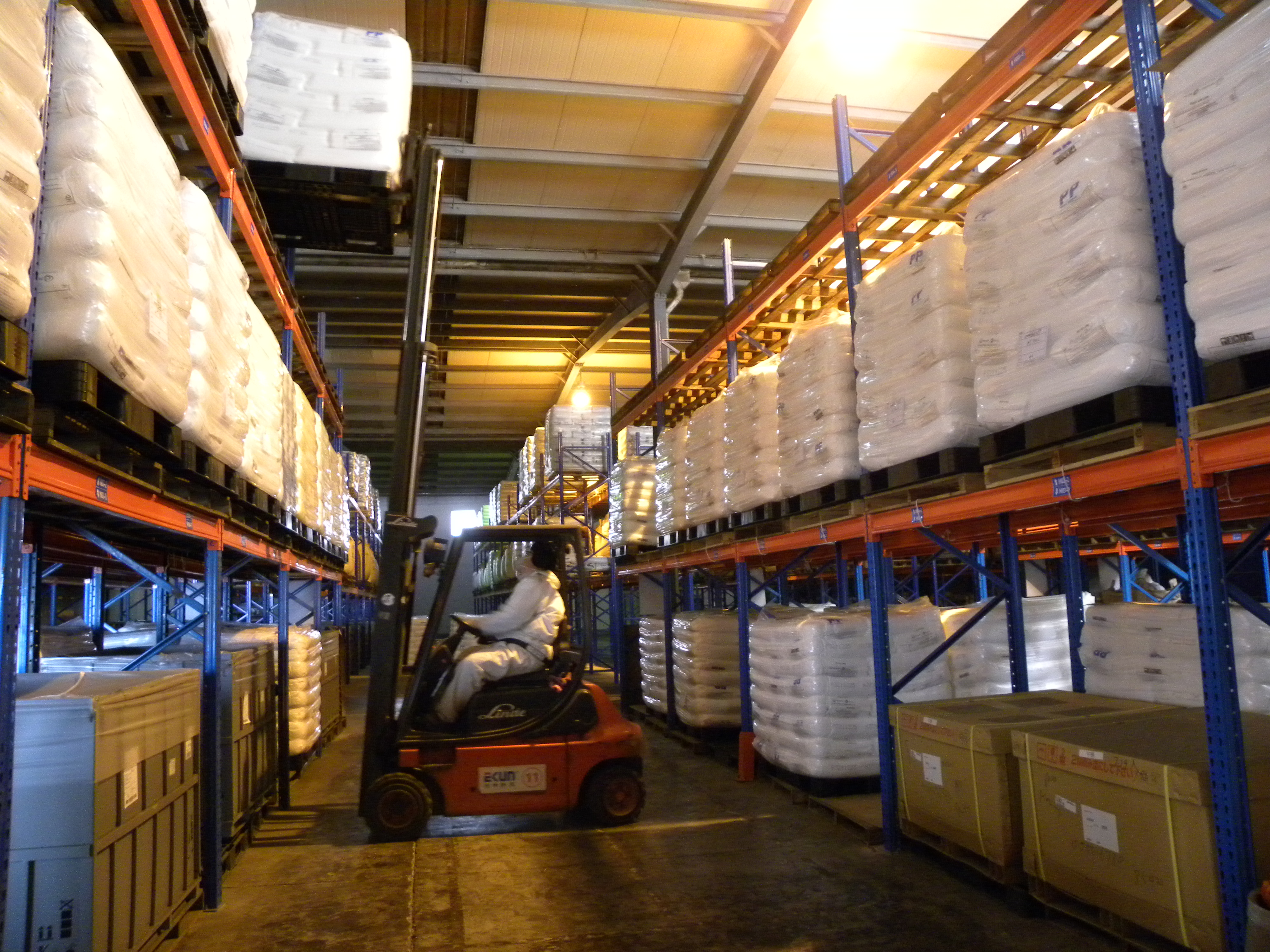
Supply chain reliability has become equally strategic. With ongoing shipping volatility driven by Red Sea route diversions (adding 7–10 days of transit via the Cape of Good Hope), Panama Canal draft restrictions, and persistent carrier schedule unreliability, the ability to secure material from local inventory rather than relying on spot ocean shipments reduces effective lead times from 8–12 weeks to just a few days. Qingdao Prime Union Trade Co., Ltd. maintains stable direct cooperation with SABIC, with robust inventory of SABIC PMMA P20MH across four warehouses in China, supporting general trade, processing trade, and bonded transfer business. This structure minimizes exposure to import duty fluctuations and allows procurement teams to draw down on inventory without tying up excessive working capital.
Furthermore, we observe that many customers require not just raw material supply, but also downstream modification capabilities. For instance, a customer might need a flame-retardant variant or a custom color match to meet a specific OEM design requirement. This is where the integration of Qingdao Primetech Plastics Co., Ltd. adds tangible value. With an in-house compounding facility specializing in toughening, filling, alloying (e.g., PC/ABS), flame retardancy, and precision color matching, we bridge the gap between stable material supply and ready-to-use, application-specific compounds.
Conclusion and Expert Recommendations
SABIC PMMA P20MH delivers a well-validated combination of 92% optical transmittance, 101°C thermal resistance, and a balanced 2.0 MFR, making it a dependable choice for automotive lighting, display light guide plates, and extruded optical profiles. Its processing window is well-defined, and with diligent attention to drying and thermal management, processors can achieve consistently high yields.
For decision-makers, the recommendations are threefold. First, qualify the material not just on the TDS values, but on batch-to-batch consistency through real-time monitoring during initial trials. Second, evaluate your total landed cost—including logistics and potential tariff implications. Third, consider whether your application requires post-processing modifications; if so, partnering with a supplier that has stable direct cooperation with SABIC and in-house compounding and color capabilities (like the integrated network of Qingdao Prime Union Trade Co., Ltd. and Primetech Plastics) can significantly shorten your development cycle, with sample turnaround times for standard colors as quick as 3 days. By integrating material science with supply chain intelligence, you turn a raw material purchase into a strategic advantage.