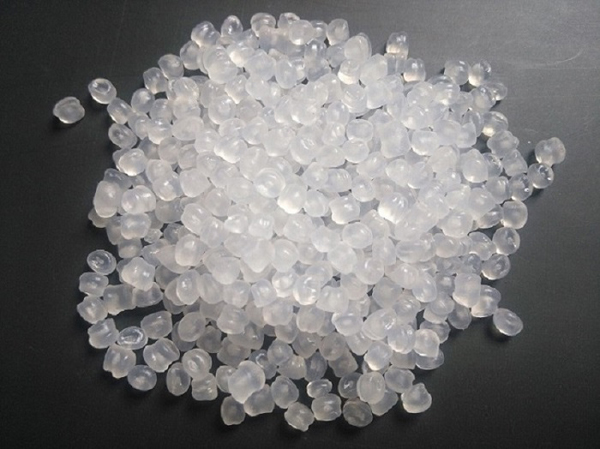
The automotive industry's push for lightweighting has driven bumper wall thicknesses down from 3.0 mm-plus to 2.5 mm and, increasingly, below 2.3 mm. This trend is supported by market data: the global automotive plastic bumper market is projected to grow at a 5.7% CAGR through 2031, driven by vehicle production growth and stricter fuel efficiency standards. But for injection molders and material specifiers, thinner walls create a fundamental processing challenge. As the flow path lengthens and narrows, the melt must travel farther under pressure—demanding higher melt flow rates. Yet higher flow in standard polypropylene grades almost always means lower molecular weight, which directly compromises impact resistance.
Thin-wall molding with PP is therefore not just a processing question; it is a material design question. The ideal resin must fill the cavity quickly at low pressure, maintain dimensional stability across temperature swings, and absorb impact energy without brittle failure—especially at sub-zero temperatures. Hanwha TotalEnergies BI997 is a reactor-made impact copolymer polypropylene engineered to meet precisely this set of requirements. With an MFI of 100 g/10min, a flexural modulus of 17,000 kg/cm², and Izod impact retention down to -30°C, it offers a combination that has historically been difficult to achieve in a single grade.
This article examines the technical characteristics of BI997, its processing advantages in thin-wall applications, and its role as a base resin for compounded formulations—drawing on both published TDS data and real-world processing feedback from automotive suppliers across Asia.
Why High Flow Typically Means Compromised Performance
To understand why BI997 is unusual, it helps to first understand the conventional trade-off in polypropylene design. Melt flow index (MFI) is inversely related to molecular weight. A higher MFI means shorter polymer chains, which flow more easily but provide fewer entanglements for load transfer. This is why standard PP grades with MFI above 40—let alone 100—typically exhibit lower tensile strength, lower flexural modulus, and significantly reduced impact resistance, particularly at low temperatures.
For bumper applications, this trade-off has historically forced compounders into a corner. To achieve the required flow for thin-wall molding, they had to start with a high-MFI base resin, then add impact modifiers (such as EPDM or POE elastomers) to restore toughness. But adding elastomers reduces stiffness—so they added talc or other mineral fillers to bring the modulus back up. The result was a multi-additive compound with higher material cost, more batch-to-batch variability, and sometimes unpredictable shrinkage behavior.
The technical challenge that BI997 addresses is different from most PP grades because it does not rely solely on post-reactor compounding to achieve its performance profile. The impact modification is built into the reactor process—what the industry calls a "reactor-made" or "in-reactor" impact copolymer. In this process, ethylene is copolymerized with propylene in a way that creates a well-dispersed rubber phase within the polypropylene matrix. This rubber phase is physically and chemically bonded to the matrix at the molecular level, producing a more stable morphology than mechanically blended compounds.
The result, based on the manufacturer's public TDS, is an impact copolymer that retains 2.0 kg·cm/cm of Izod impact strength at -30°C—well above what most high-flow PP grades can deliver at that temperature.
BI997 by the Numbers: What the TDS Tells Us
The published specifications for BI997 (ASTM-based) reveal a material with an unusual property profile. The melt flow index sits at 100 g/10min, which places it in the "very high flow" category—comparable to PP grades used for thin-wall packaging and high-speed injection molding. Yet the mechanical properties do not follow the typical downward trajectory.
The flexural modulus of 17,000 kg/cm² is approximately 15-20% higher than the industry average for impact copolymers in the MFI 20-40 range. This is a critical metric for bumper applications because it determines how well the part resists deflection under wind loads, thermal expansion, and low-speed parking impacts. A higher modulus also means engineers can design thinner sections without sacrificing perceived stiffness, further contributing to lightweighting goals.
The Izod impact data shows the real differentiator. At 23°C, the value is 4.5 kg·cm/cm—comfortably within the range expected of a medium-impact material. At 0°C, it remains at 3.0 kg·cm/cm. At -30°C, it still registers 2.0 kg·cm/cm. The progression is a smooth decay rather than a cliff-edge drop. This indicates that the rubber phase is uniformly dispersed and remains effective at low temperatures, with a glass transition temperature (Tg) well below the test range.
For the injection molding engineer specifying thin-wall bumper material, this data translates directly into a useable processing window. The combination of high MFI and retained low-temperature impact means that parts can be molded at lower melt temperatures and pressures, reducing cycle time, without the finished part becoming brittle in cold climates. In practical terms, this is the difference between a bumper that survives a winter curb strike and one that cracks.
Processing Advantages Observed on the Production Floor
The theoretical advantages of a high-MFI impact copolymer are one thing. The real test is whether those advantages hold up on an actual molding line. Based on feedback from multiple processors using BI997 across Asia, several operational benefits consistently emerge.
Reduced injection pressure and clamp tonnage requirements. The most frequently cited observation is a 25-30% reduction in required injection pressure compared to standard impact copolymers with MFI values in the 20-40 range. For large fascia tools, this can mean the difference between running the part on a 1,600-ton press versus a 1,300-ton press—a significant reduction in machine-hour cost and an increase in available machine capacity for other jobs.
Shorter cycle times. One molder producing bumper fascias for a European SUV program reported a cycle time reduction from 52 seconds to 41 seconds after switching to BI997—a 21% improvement. The reduction came from two sources: lower melt temperature (enabled by the high MFI) and shorter cooling time, as the part reached ejection temperature faster. In high-volume automotive production, every second shaved from the cycle translates directly into additional annual output without capital investment.
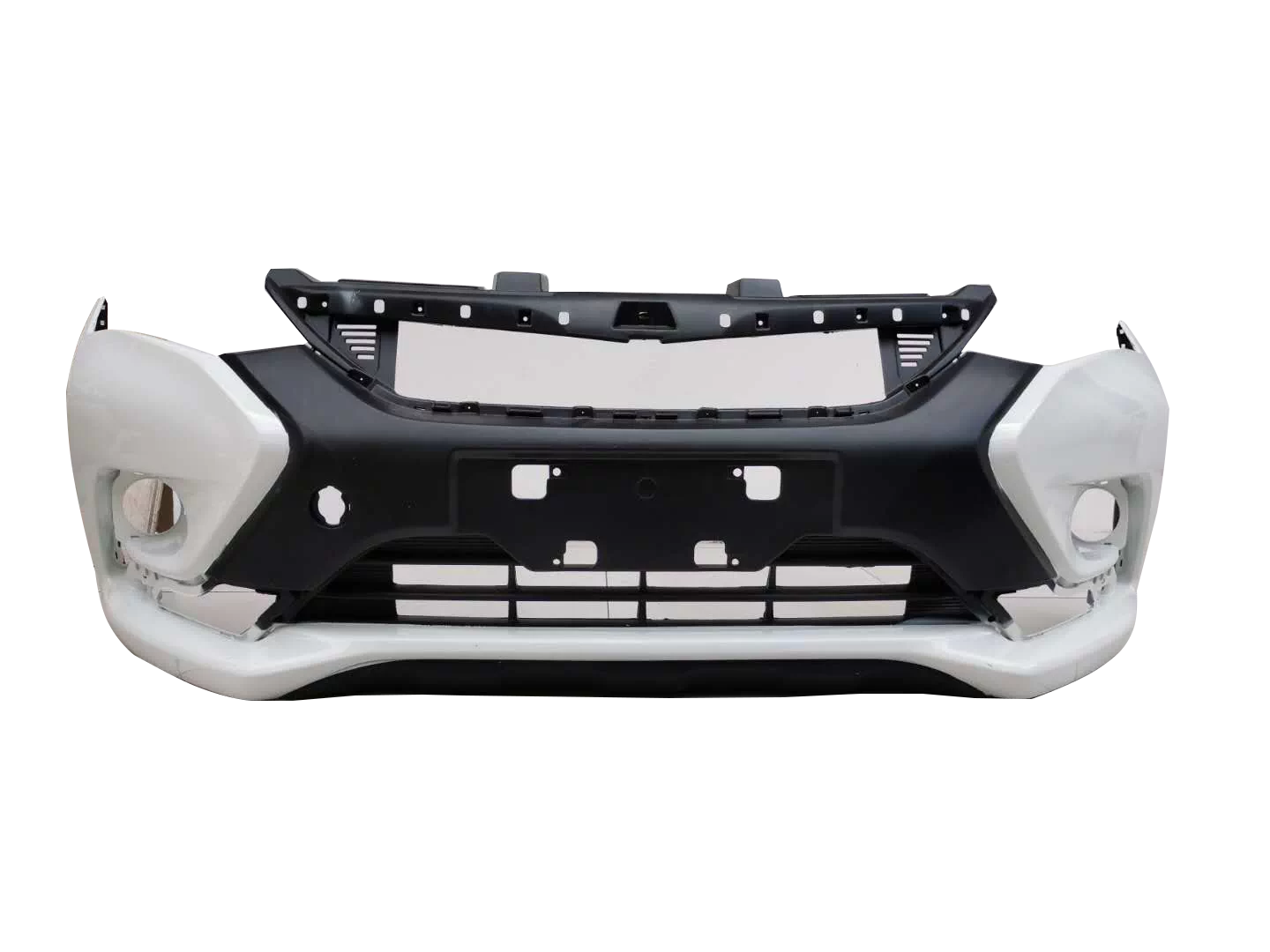
Surface quality and reduced reject rates. Flow marks, commonly called tiger stripes, are a persistent defect in large PP parts, caused by melt-front instability during filling. They are particularly problematic on textured or painted surfaces, where they cannot be hidden. A supplier manufacturing instrument panel retainers for a Japanese automotive OEM reported that their surface defect rate dropped from 6% to under 0.5% after transitioning to BI997. This eliminated the need for secondary sanding and touch-up operations on a significant proportion of their output.
Dimensional stability and assembly fit. The same molder noted that BI997 delivered more consistent part-to-part shrinkage, which they attributed to the material's nucleating agent package. For retainers with multiple mounting bosses and clip locations, this meant fewer assembly issues at the OEM's final assembly line—reducing the need for on-site rework and improving their quality scorecard with the customer.
These advantages are not theoretical. They are observed outcomes from production environments where material performance directly affects the bottom line.
BI997 as a Compounding Base Resin
While BI997 is used neat for some applications, its broader value in the supply chain is as a base resin for compounding. Many automotive PP compounds—particularly those used for bumper fascias and instrument panels—include talc (typically 20-30% by weight) and elastomeric impact modifiers. The challenge with compounding is that both talc and elastomers reduce the final compound's MFI substantially. Starting with a base resin at MFI 60 often results in a finished compound at MFI 12 or below—below the minimum flow required for thin-wall molding.
BI997's MFI of 100 provides enough headroom that, after adding 25% talc and 8% elastomer, the final compound still achieves an MFI in the 22-25 range. This is above the typical processability threshold for large automotive parts and ensures that the compound can be molded on the same equipment with the same cycle times as the neat resin.
This is not merely a numerical advantage. It allows compounders to maintain formulation simplicity—using fewer or lower levels of processing aids and lubricants—because the base resin already provides sufficient flow. It also reduces the risk of over-compounding, where excessive additive levels can lead to plate-out, poor weld-line strength, or inconsistent color.
A compounder we worked with in China was developing a bumper compound for a domestic brand. They had been using a lower-MFI impact copolymer and were struggling to maintain flow after adding 25% talc. They switched to BI997 as the base resin, kept the same filler and impact modifier levels, and saw the compound's final MFI increase from 11 to 24. The compound passed all physical testing requirements and received full production approval three weeks ahead of the original schedule. The customer later confirmed that the same material performed well through two years of production with no complaints.
The Role of FDA Compliance in Material Selection
One detail in the BI997 TDS that engineers sometimes overlook is the FDA compliance statement—21 CFR 177.1520. This is the regulation covering olefin polymers used in food-contact applications. While BI997 is primarily specified for automotive components, FDA compliance has practical implications that extend beyond food contact.
The same resin characteristics that make a material suitable for food contact—low levels of extractable substances, controlled additive composition, and consistent manufacturing quality—also contribute to low VOC (volatile organic compound) and low odor performance. In automotive interiors, VOC emissions are tightly regulated under standards such as VDA 277 (for total VOC) and the China GB/T 27630 for cabin air quality. A material that passes FDA scrutiny will almost always perform well on these automotive odor and emission tests, because the polymer purity requirements are similarly stringent.
For procurement and inventory management, FDA compliance also provides operational flexibility. If a manufacturer has surplus BI997 inventory that cannot be used on an automotive program due to production schedule changes, that same inventory can be redirected to non-automotive applications such as food-grade containers, medical device trays, or consumer storage bins—without any compliance barrier. This is not a hypothetical benefit; we have seen multiple processors use this flexibility to avoid write-offs during demand fluctuations.
A Comparative Look at Market Alternatives
To properly contextualize BI997's performance, it is useful to compare it against industry averages for impact copolymers in the MFI 20-40 range—the most common class of PP used for large automotive parts before thin-wall requirements pushed MFI specifications higher.
| Property | Typical Impact Copolymer PP (MFI 20-40) | BI997 |
|---|
| MFI (g/10min) | 20-40 | 100 |
| Flexural Modulus (kg/cm²) | 14,000-15,000 | 17,000 |
| Izod Impact, 23°C (kg·cm/cm) | 3.0-3.5 | 4.5 |
| Izod Impact, -30°C (kg·cm/cm) | Often brittle | 2.0 (ductile) |
The key observation is not just that BI997 has higher numbers in each column. The differentiating factor is the slope of the relationship between MFI and impact strength. In conventional grades, as MFI increases beyond 40, impact strength typically falls off steeply. BI997 achieves a 100 MFI while maintaining impact values at -30°C that are comparable to—or better than—grades with half its MFI.
This is a direct result of the reactor copolymerization design and should be the primary consideration for any compounder or molder evaluating whether to switch to this grade. The material is not simply "higher flow"; it is a different class of PP architecture that happens to have high flow as one of its output characteristics.
Practical Recommendations for Processing BI997
Based on our experience supporting trials and production runs with BI997, we offer the following observations to injection molding engineers and compounders:
Melt temperature. The recommended melt temperature range for BI997 is 210-240°C, consistent with most impact copolymers. However, because of the high MFI, lower temperatures within this range (210-220°C) are often sufficient to fill thin-wall tools, reducing the risk of thermal degradation and shortening cooling times.
Mold temperature. A mold temperature of 40-60°C is typical for BI997. Higher mold temperatures (50-60°C) improve surface gloss and reduce frozen-in stress, which is beneficial for Class A surfaces. Lower mold temperatures (40-45°C) shorten cycle times but may increase the risk of flow marks on textured surfaces—a trade-off that should be optimized per tool.
Injection speed and pressure. The material's high flow means that moderate injection speeds (50-70% of machine maximum) are typically sufficient. We have observed that running at maximum speed can induce shear heating and flow marks, negating the material's flow mark suppression benefit. A moderate speed with optimized pressure profile tends to yield the best surface quality.
Drying. BI997 does not require drying under normal conditions, as polypropylene is not hygroscopic. However, if the material has been stored in open bags or exposed to humid conditions, drying at 80°C for 2-3 hours is recommended to prevent surface splay defects.
Conclusion
The lightweighting trend in automotive exteriors is not a temporary phase. Bumper wall thicknesses will continue to decrease, and the demand for high-flow materials will only intensify. But flow is not the only metric that matters—low-temperature impact resistance, stiffness, dimensional stability, and surface quality are equally critical. The conventional approach of starting with a high-flow PP and adding elastomers and fillers to recover lost properties is expensive, adds complexity, and introduces variability.
Hanwha TotalEnergies BI997 PP offers an alternative: a reactor-made impact copolymer that delivers the flow, stiffness, and toughness combination directly from the polymerization process. For compounders, it provides formulation headroom and consistency. For molders, it means shorter cycles, lower pressures, and better surface quality. For OEMs, it translates to reliable, lightweight bumpers that perform across temperature extremes.
Qingdao Prime Union Trade Co., Ltd., as an authorized distribution partner for Hanwha TotalEnergies, maintains inventory of BI997 and other PP grades across our six warehouses. Our sister company, Qingdao Primetech Plastics Co., Ltd., provides custom compounding services based on BI997—including toughening, filling, flame retardancy, and color matching—with typical sample lead times of 3 days and production lead times of 7 days for standard modifications. We welcome technical discussions with engineers and compounders on specific application requirements.

 English
 Korean