
 English
 Korean


LG Chem ABS Grade Comparison: HI121H vs HP171 vs HP181
The global acrylonitrile butadiene styrene (ABS) market was valued at approximately $33-41 billion in 2025, with projections reaching $67-74 billion by 2034 at a compound annual growth rate of 6.7% to 8.1%. Asia Pacific dominates with over 52% market share, driven largely by consumer electronics and home appliance production. Within this landscape, LG Chem holds a leading position in the global ABS supply, and its general-purpose ABS grades—HI121H, HP171, and HP181—are widely specified for injection-molded housings across the electronics and appliance sectors.
Selecting the right ABS grade, however, is rarely straightforward. Over the past two decades of supplying engineering plastics to manufacturers across China, we have observed that procurement managers and injection molding engineers frequently encounter confusion when differentiating these three grades. While all are classified as general-purpose ABS, each is formulated with distinct performance priorities—impact resistance, surface aesthetics, or flowability. Misselection often leads to molding defects, compromised part performance, or unnecessary cost. This guide provides a data-driven comparison based on LG Chem's official technical datasheets (ASTM standards) to support informed decision-making.
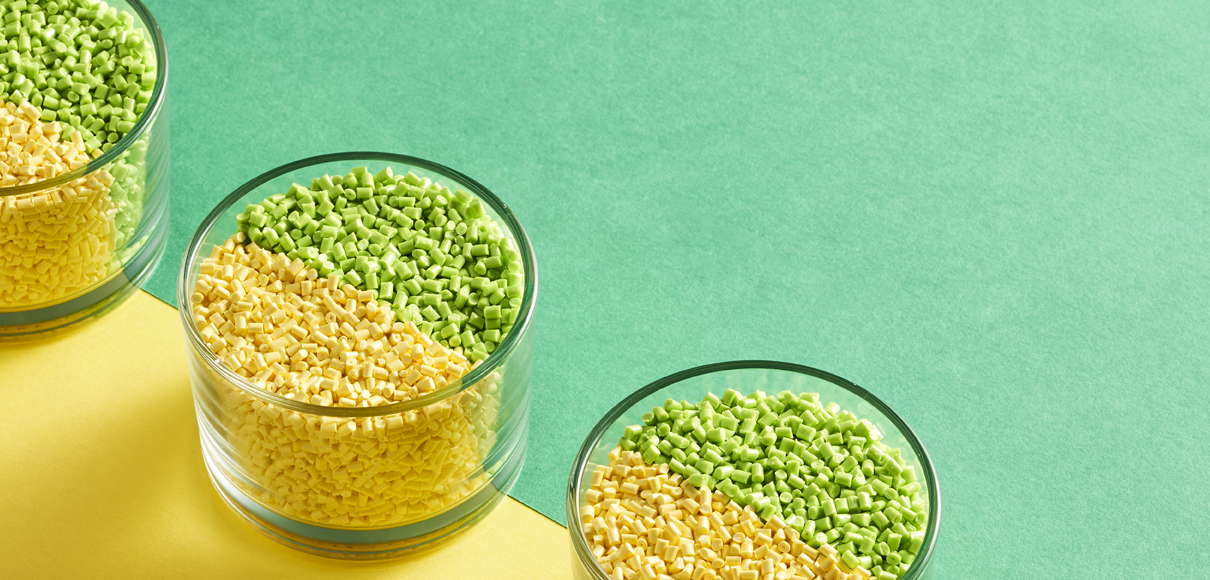
HI121H: The Versatile Workhorse with Balanced Impact and Rigidity
HI121H is the most widely adopted general-purpose injection molding ABS in LG Chem's portfolio. Its material properties reflect a balanced design that prioritizes structural integrity without sacrificing processability.
← Scroll left/right to view full table →
| Property | Condition | Unit | HI121H Value |
|---|---|---|---|
| Melt Flow Index | 220°C/10kg | g/10min | 22 |
| Tensile Strength (Yield) | 23°C, 50mm/min, 3.2mm | MPa | 50 |
| Flexural Strength | 23°C, 10mm/min, 6.4mm | MPa | 82 |
| Flexural Modulus | 23°C, 10mm/min, 6.4mm | MPa | 2550 |
| Izod Impact (Notched, 3.2mm) | 23°C | J/m | 270 |
| Izod Impact (Notched, 6.4mm) | 23°C | J/m | 220 |
| Heat Deflection Temperature | 1.82MPa, 6.4mm | °C | 85 |
| Rockwell Hardness | R-Scale | — | 110 |
The data shows that HI121H delivers the highest tensile strength, flexural strength, and flexural modulus among the three grades, making it the preferred choice when rigidity and load-bearing capacity are primary concerns. Its melt flow index of 22 g/10min sits in the medium range—sufficient for most conventional molding applications while maintaining mechanical performance. The impact strength of 220 J/m (6.4mm) provides reliable toughness for structural components.
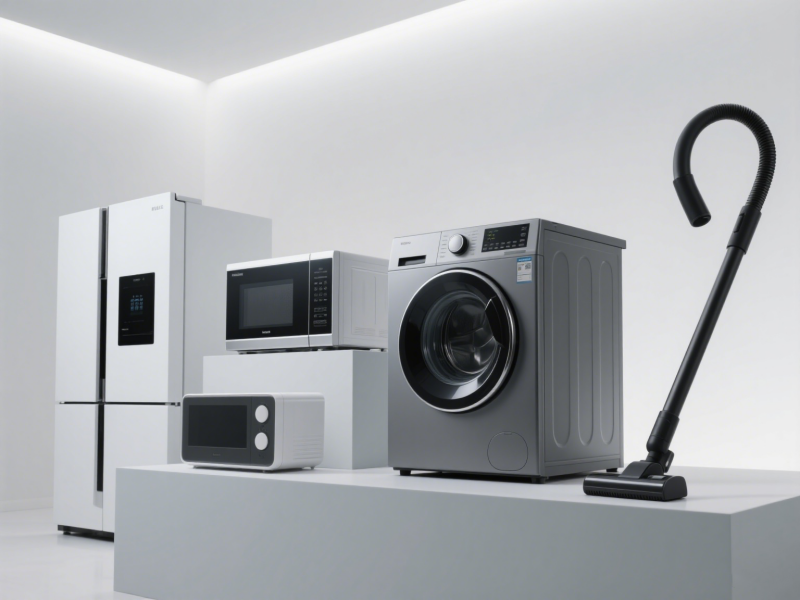
From field experience, HI121H is extensively specified for air conditioner housings, television frames, washing machine components, and automotive interior parts. It is also used in helmets, pipes, and applications requiring General Motors specification GMP.ABS.002. For engineers designing parts that must withstand mechanical stress or low-temperature conditions, HI121H offers a dependable, cost-effective solution.
HP171: High-Gloss Aesthetics for Consumer-Facing Applications
HP171 is manufactured at LG Chem's Huizhou facility and is formulated for applications where surface appearance and gloss are critical.
← Scroll left/right to view full table →
| Property | Condition | Unit | HP171 Value |
|---|---|---|---|
| Melt Flow Index | 220°C/10kg | g/10min | 24 |
| Tensile Strength (Yield) | 23°C, 50mm/min, 3.2mm | MPa | 49 |
| Flexural Strength | 23°C, 10mm/min, 6.4mm | MPa | 69 |
| Flexural Modulus | 23°C, 10mm/min, 6.4mm | MPa | 2570 |
| Izod Impact (Notched, 6.4mm) | 23°C | J/m | 24 |
| Heat Deflection Temperature | 1.82MPa, 6.4mm | °C | 80 |
| Rockwell Hardness | R-Scale | — | 108 |
The defining characteristic of HP171 is its high gloss finish, which delivers a bright, premium surface right out of the mold. Key features also include opaqueness, hot stamping capability, paintability, bright white colorability, and dimensional stability. Its melt flow index of 24 g/10min is slightly higher than HI121H, offering improved flow without compromising surface quality. Mechanical strength remains robust, with flexural modulus matching HI121H at approximately 2570 MPa.
However, the impact strength (24 J/m at 6.4mm) is significantly lower—this grade is engineered for aesthetic exterior parts that do not bear structural loads.
HP171 is commonly found in router housings, earphones, remote controls, oxygen concentrators, and monitor frames. From customer feedback, it performs exceptionally well on television bezels and air conditioner panels where surface appearance directly influences product perception. For design engineers, HP171 is the logical choice when the application demands a glossy, high-end finish and the part geometry does not involve significant impact exposure.
HP181: High-Flow Solution for Thin-Wall and Complex Geometries
HP181, also produced at LG Chem's Huizhou plant, addresses a different challenge: thin-wall molding and geometrically complex parts that require exceptional flowability.
← Scroll left/right to view full table →
| Property | Condition | Unit | HP181 Value |
|---|---|---|---|
| Melt Flow Index | 220°C/10kg | g/10min | 42 |
| Tensile Strength (Yield) | 23°C, 50mm/min, 3.2mm | MPa | 42 |
| Flexural Strength | 23°C, 10mm/min, 6.4mm | MPa | 61 |
| Flexural Modulus | 23°C, 10mm/min, 6.4mm | MPa | 2290 |
| Izod Impact (Notched, 6.4mm) | 23°C | J/m | 26 |
| Heat Deflection Temperature | 1.82MPa, 6.4mm | °C | 80 |
| Rockwell Hardness | R-Scale | — | 105 |
HP181's melt flow index of 42 g/10min is nearly double that of the other two grades. This high flowability enables successful filling of thin-wall sections (≤2mm) and complex mold geometries with densely packed ribs, bosses, and undercuts. The tensile strength of 42 MPa and flexural modulus of 2290 MPa are lower than HI121H and HP171, but remain adequate for most enclosure applications. Impact strength of 26 J/m (6.4mm) slightly exceeds HP171, providing a reasonable balance for high-flow materials.
Additional features include opaqueness, hot stamping, paintability, bright white colorability, and dimensional stability—similar to HP171 but optimized for flow-dominated processing conditions.
HP181 is widely used in air purifiers, robot vacuum cleaners, washing machines, routers, and projectors. For injection molding engineers, the key advantage is reduced cycle times and lower injection pressures when molding thin-wall or intricate parts. However, the lower mechanical strength means HP181 is not recommended for load-bearing structural components.
Side-by-Side Comparison and Selection Framework
Material Property Comparison
← Scroll left/right to view full table →
| Property | HI121H | HP171 | HP181 |
|---|---|---|---|
| Melt Flow Index (g/10min) | 22 | 24 | 42 |
| Tensile Strength (MPa) | 50 | 49 | 42 |
| Flexural Strength (MPa) | 82 | 69 | 61 |
| Flexural Modulus (MPa) | 2550 | 2570 | 2290 |
| Izod Impact (6.4mm, J/m) | 220 | 24 | 26 |
| HDT @ 1.82MPa (°C) | 85 | 80 | 80 |
| Core Differentiator | High impact + rigidity | High gloss + aesthetics | High flow + thin-wall capability |
Processing Parameter Comparison
← Scroll left/right to view full table →
| Parameter | HI121H | HP171 | HP181 |
|---|---|---|---|
| Drying Temperature (°C) | 70–80 | 70–80 | 70–80 |
| Drying Time (hrs) | 3–4 | 2–4 | 2–4 |
| Injection Temperature (°C) | 200–250 | 200–240 | 190–240 |
| Mold Temperature (°C) | 40–80 | 40–70 | 40–70 |
| Screw Speed (rpm) | 30–60 | 30–60 | 30–60 |
Application Mapping
← Scroll left/right to view full table →
| Application | Recommended Grade | Rationale |
|---|---|---|
| Large appliance housings (AC, washing machines) | HI121H or HP181 | Structural needs → HI121H; thin-wall/high-flow → HP181 |
| TV/monitor bezels | HP171 | High gloss, dimensional stability, paintability |
| Routers, earphones, remote controls | HP171 | Surface aesthetics priority; low impact exposure |
| Robot vacuums, air purifiers | HP181 | Thin-wall complex geometries; flowability critical |
| Helmets, pipes, automotive interior parts | HI121H | Impact toughness; structural integrity |
Selection Decision Framework
Choose HI121H when:
The part experiences mechanical stress or impact loads
Structural rigidity and dimensional stability are priorities
Low-temperature toughness is required
Choose HP171 when:
Surface gloss and visual appearance are critical
Post-molding operations (hot stamping, painting) are required
The part does not bear significant impact loads
Choose HP181 when:
Wall thickness is ≤2mm or mold geometry is complex
Cycle time reduction and processing efficiency are priorities
The application is an enclosure without structural requirements
Supply Chain Considerations for Procurement Managers
Beyond material properties, supply chain reliability is a critical factor in grade selection. From our experience managing procurement for manufacturers across China, we have identified several common pitfalls:
Pitfall 1: Substituting HP171 for HI121H in structural applications. This often results in part cracking under load. The impact strength difference is substantial (24 J/m vs. 220 J/m)—the materials are not interchangeable for load-bearing components.
Pitfall 2: Using HI121H for thin-wall parts. The lower flowability leads to short shots, flow marks, or weld lines. For wall thickness below 2mm, HP181's 42 g/10min melt flow is the safer choice.
Pitfall 3: Overlooking drying conditions. All three grades require drying at 70–80°C for 2–4 hours prior to molding. Inadequate drying leads to surface defects (splay marks) and reduced mechanical properties.
Pitfall 4: Assuming all suppliers offer the same material consistency. LG Chem's ABS is produced across multiple facilities (Korea, China/Huizhou, Ningbo). While specifications are standardized, supply continuity and batch-to-batch consistency vary by source.
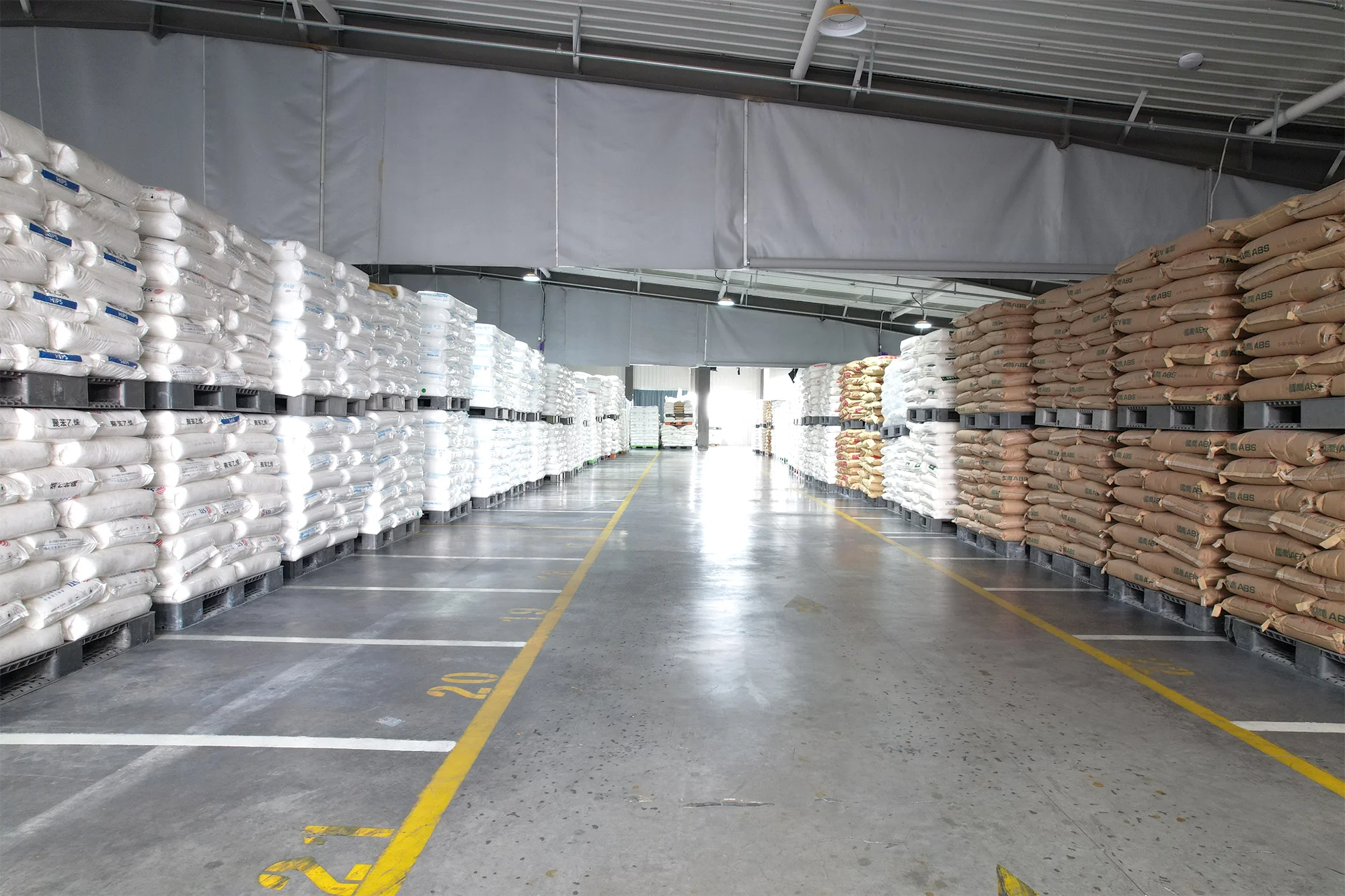
Qingdao Prime Union Trade Co., Ltd. works directly with LG Chem, alongside other leading global producers including CHIMEI, SABIC, Hanwha TotalEnergies, Hyosung, Mitsubishi, and Röhm, as a long-term distribution partner. This direct partnership ensures customers receive genuine material with full traceability and responsive technical support. With four owned warehouses across China and logistics networks covering Asia, Europe, and South America, we maintain consistent inventory levels and flexible trade models including bonded transit, processing trade with manual, and general trade.
For applications where customers seek cost-competitive alternatives to standard grades—whether in color, flame retardancy, or alloying (PC/ABS)—our affiliated compounding facility, Qingdao Primetech Plastics Co., Ltd., provides tailored modification services. Standard color matching and basic modification samples are available within 3 days, and production quantities within 7 days. All samples are provided on a paid basis, with the sample fee creditable toward subsequent orders.
Enterprise Strengths
Direct Global Partnerships
Direct partnership with LG Chem alongside CHIMEI, SABIC, Hanwha TotalEnergies, Hyosung, Mitsubishi, and Röhm — ensuring genuine material with full traceability and responsive technical support.
Multi‑Warehouse Network
Four owned warehouses across China and logistics networks covering Asia, Europe, and South America, ensuring consistent inventory levels and rapid response to customer demand.
Flexible Trade Models
Flexible trade models including bonded transit, processing trade with manual, and general trade, providing procurement flexibility for diverse business scenarios across borders.
Custom Compounding
Affiliated compounding facility provides tailored modification services — color matching, flame retardancy, PC/ABS alloying — with standard samples in 3 days and production in 7 days.
Conclusion
LG Chem's HI121H, HP171, and HP181 represent three distinct approaches to general-purpose ABS—each optimized for a specific balance of impact resistance, surface aesthetics, and flowability. HI121H delivers the structural integrity required for load-bearing and impact-prone components. HP171 provides the high-gloss finish demanded by consumer-facing electronics and appliance exteriors. HP181 offers the flowability needed for thin-wall, complex-geometry parts with tight cycle time requirements.
The selection decision should be driven by part geometry, mechanical requirements, and aesthetic expectations—not by familiarity or price alone. For procurement managers and injection molding engineers, the most cost-effective approach is to validate material performance against actual molding conditions before committing to full-scale production.
As the ABS market continues its growth trajectory, driven by electronics miniaturization and appliance innovation, the ability to match the right grade to the right application will remain a competitive differentiator. With direct access to LG Chem's full portfolio and in-house modification capabilities, the path from material selection to production-ready solution is clearer than ever.

Disclaimer: All property values cited in this article are typical values sourced from LG Chem official technical datasheets and are provided for material selection reference only. They do not constitute product specifications or quality guarantees. Actual performance may vary depending on molding conditions, part geometry, color formulation, and service environment. Users are advised to conduct thorough validation under actual production conditions prior to full-scale manufacturing.