
 English
 Korean


Chimei POLYLAC® PA-1730 vs LG HI121H: A Technical Comparison for Injection Molding ABS Grades
The global ABS market reached approximately 12.5 million metric tons in 2025, with injection molding grades accounting for over 60% of total consumption. For procurement managers and molding engineers, the challenge is no longer finding available material — it is selecting the right grade from an increasingly crowded field of technically similar products.
Chimei POLYLAC® PA-1730 and LG HI121H are two of the most widely traded injection-molding ABS grades in the Asia-Pacific region. Both are positioned as general-purpose materials with balanced flow and impact properties, serving applications from household appliance housings to automotive interior components and electronic enclosures. Yet beneath the surface, these two grades differ in polymerization technology, thermal performance, and regulatory compliance profiles.
This article provides a side-by-side comparison based on published datasheets and third-party testing data, covering mechanical properties, thermal behavior, flow characteristics, and procurement considerations. For sourcing professionals evaluating alternative suppliers or qualifying second-source materials, this comparison offers a practical reference point.
Mechanical Property Comparison: Where the Numbers Diverge
| Property | Test Condition | PA-1730 (Chimei) | HI121H (LG) |
|---|---|---|---|
| Tensile Strength | 23°C, 50mm/min | 46 MPa | ~49 MPa |
| Elongation at Break | 23°C, 50mm/min | 20% | 18% |
| Flexural Strength | 23°C, 2mm/min | 70 MPa | ~78 MPa |
| Flexural Modulus | 23°C, 2mm/min | 2.4 GPa | ~2.55 GPa |
| Izod Impact (23°C) | 4mm / 3.2mm | 15 kJ/m² | ~22 kJ/m² |
| Rockwell Hardness | R-Scale | 116 | 109 |
| HDT (Unannealed) | 1.8 MPa | 85°C | 93°C |
| HDT (Annealed) | 1.8 MPa | 100°C | — |
| Vicat Softening Point | 50°C/h | 105°C | 103°C |
| Melt Flow Index | 220°C/10kg | 30 cm³/10min | 22-23 g/10min |
| Density | 23°C | 1.04 g/cm³ | 1.05 g/cm³ |
| Flammability | 1.5mm | HB | HB |
PA-1730 shows clear advantages in hardness (R-116 vs. R-109) and melt flow (30 vs. 22-23), while HI121H delivers higher impact strength (~22 vs. 15 kJ/m²) and flexural modulus. The differences in tensile and flexural strength remain within 10%, suggesting that the choice between these two grades depends more on specific processing and application requirements than on absolute mechanical superiority.
In practical terms, the higher impact resistance of HI121H makes it suitable for housings and enclosures subject to drop or impact loads. The higher hardness of PA-1730, on the other hand, translates to better scratch and abrasion resistance — a factor often overlooked in initial material selection but critical for consumer-facing surfaces.
Polymerization Technology: Bulk vs. Emulsion — A Fundamental Difference
Chimei PA-1730 is produced via continuous bulk (mass) polymerization. In this process, styrene, acrylonitrile, and dissolved polybutadiene rubber are polymerized directly in a single reaction train without the use of emulsifiers or coagulants. The result is a purer resin with significantly lower residual monomer content.
Data from comparative studies show that emulsion-grade ABS can contain residual acrylonitrile levels up to 1.82 μg/g and styrene levels up to 17.51 μg/g, contributing to noticeable odor emissions. Bulk polymerization ABS, particularly when combined with two-stage vacuum devolatilization, can reduce volatile organic compound (VOC) emissions by 80-90%. Residual monomer and impurity levels in bulk ABS are approximately 1/20 of those found in emulsion grades.
This difference matters in practical applications. Automotive interior suppliers who switched to PA-1730 have reported measurable improvements in cabin VOC readings during our interactions with customers. The naturally lower gloss characteristic of bulk ABS (matte finish) also eliminates the need for post-molding painting or chemical texturing in many interior applications — reducing both production cost and processing complexity.
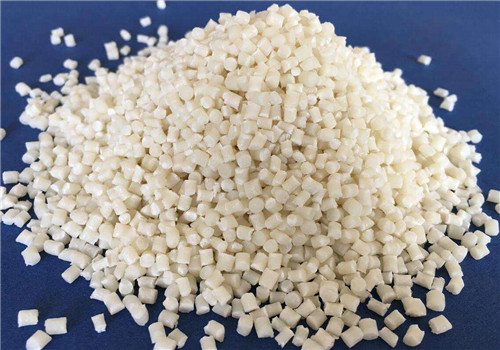
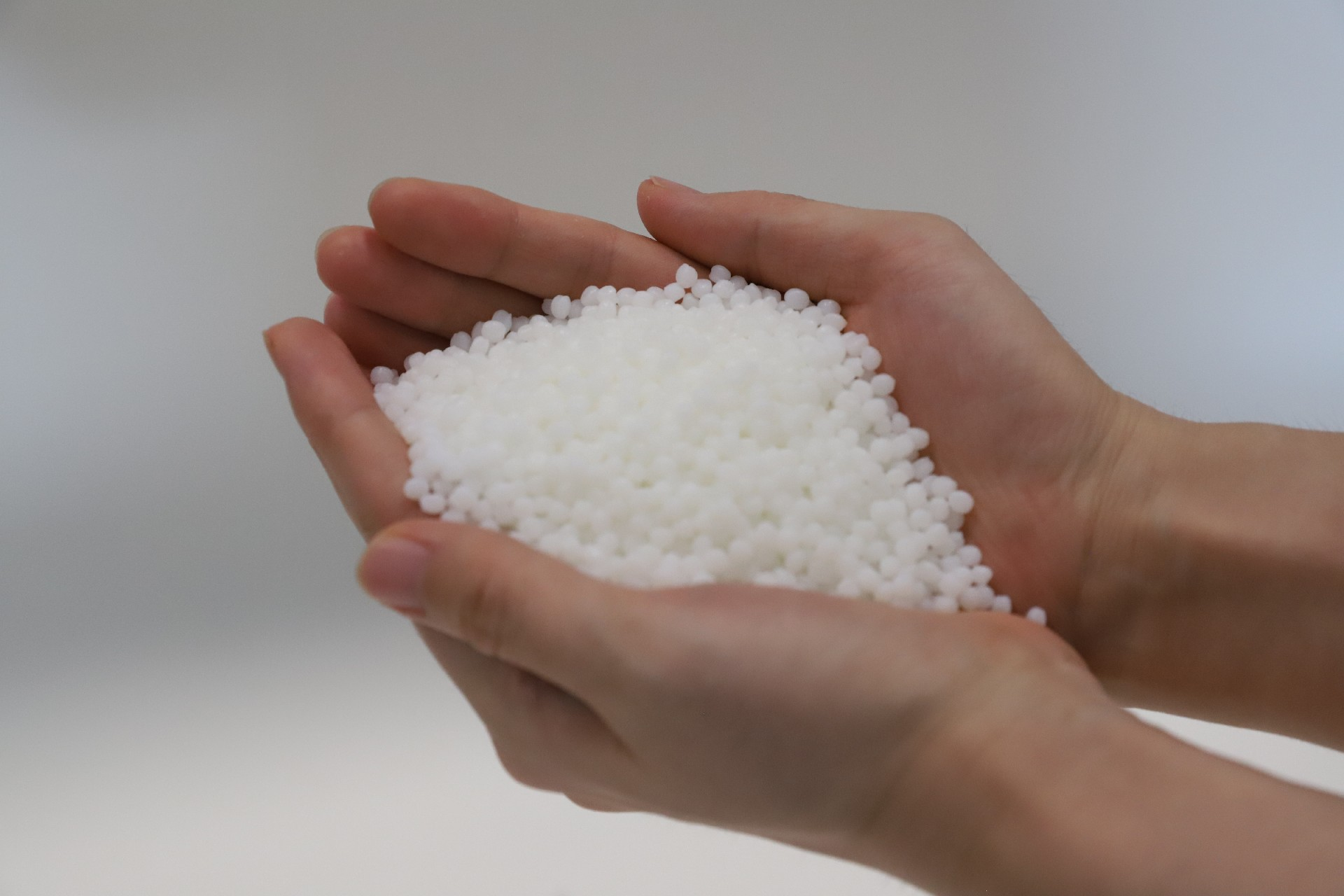
LG HI121H, by contrast, is manufactured via emulsion polymerization — a two-step process that first produces polybutadiene latex, followed by graft polymerization with styrene and acrylonitrile. The emulsion route yields smaller rubber particle sizes (typically 0.1-0.7 μm), contributing to higher gloss surfaces (gloss units around 104 for HI121H) and superior impact strength.
From a sourcing perspective, it is worth noting that emulsion-based ABS still dominates global capacity — in China alone, emulsion-grade production capacity reached 7.13 million tons in 2023, accounting for over 92% of total domestic ABS capacity. However, bulk polymerization is gaining momentum, representing approximately 38% of global capacity as of 2025, driven by both environmental compliance and cost advantages. Continuous bulk processes offer 8-10% lower production costs per ton compared to emulsion graft-blend methods, according to industry analysis.
Processing Behavior: Flow Rate and Its Impact on Production Economics
The melt flow index (MFI) difference between PA-1730 (30 cm³/10min at 220°C/10kg) and HI121H (22-23 g/10min) is not merely a number on a datasheet — it directly affects cycle time, energy consumption, and part quality in production.
For thin-wall molding applications or parts with complex flow paths, PA-1730's higher flow rate enables faster cavity filling and lower injection pressures. Based on customer feedback, molding cycles can be shortened by 5-10% when switching from a standard 22 MFI grade to a 30 MFI grade on the same tooling. This translates directly into higher output per machine-hour and lower per-part energy costs.
However, higher flow comes with trade-offs. Molders need to ensure adequate venting and gate design — otherwise, flash or flow marks may appear. There is no one-size-fits-all solution. Tooling engineers should evaluate the specific mold geometry and runner system before making a grade decision.
Thermal performance also varies between the two grades. PA-1730 achieves a heat deflection temperature (HDT) of 100°C after annealing, compared to 93°C for HI121H (unannealed) under 1.8 MPa load. Vicat softening points are comparable at 105°C and 103°C respectively. Both grades are suitable for applications requiring continuous use temperatures up to 80-85°C without significant creep or deformation.
For applications involving secondary operations such as painting, welding, or adhesive bonding, the lower residual monomer content of PA-1730 can also improve adhesion consistency and reduce surface defect rates. This is a consideration often missed in initial material screenings but frequently surfaces during production ramp-up.
Procurement Strategy: Five Considerations for Material Selection
1. Match material properties to application demands. If your components are thin-walled or geometrically complex, PA-1730's higher flow offers tangible productivity gains. If your parts require high surface gloss or must withstand impact loads, HI121H's characteristics are better aligned.
2. Regulatory compliance is increasingly decisive. For automotive interiors, food-contact applications, and children's products, VOC emissions and residual monomers are material selection criteria — not optional considerations. The bulk polymerization route of PA-1730 provides a clear compliance advantage in this regard.
3. Weatherability — an underappreciated differentiator. Research published in Synthetic Materials Aging and Application indicates that for outdoor exposure and xenon-arc weathering (UV present), emulsion-grade ABS demonstrates better weatherability than bulk-grade ABS.Conversely, under conditions of thermal aging without UV exposure and damp heat aging, block ABS exhibits superior performance. This is crucial for outdoor applications such as automotive exterior parts or building materials.
Supply Capability: The Value of Integrated Sourcing and Technical Support
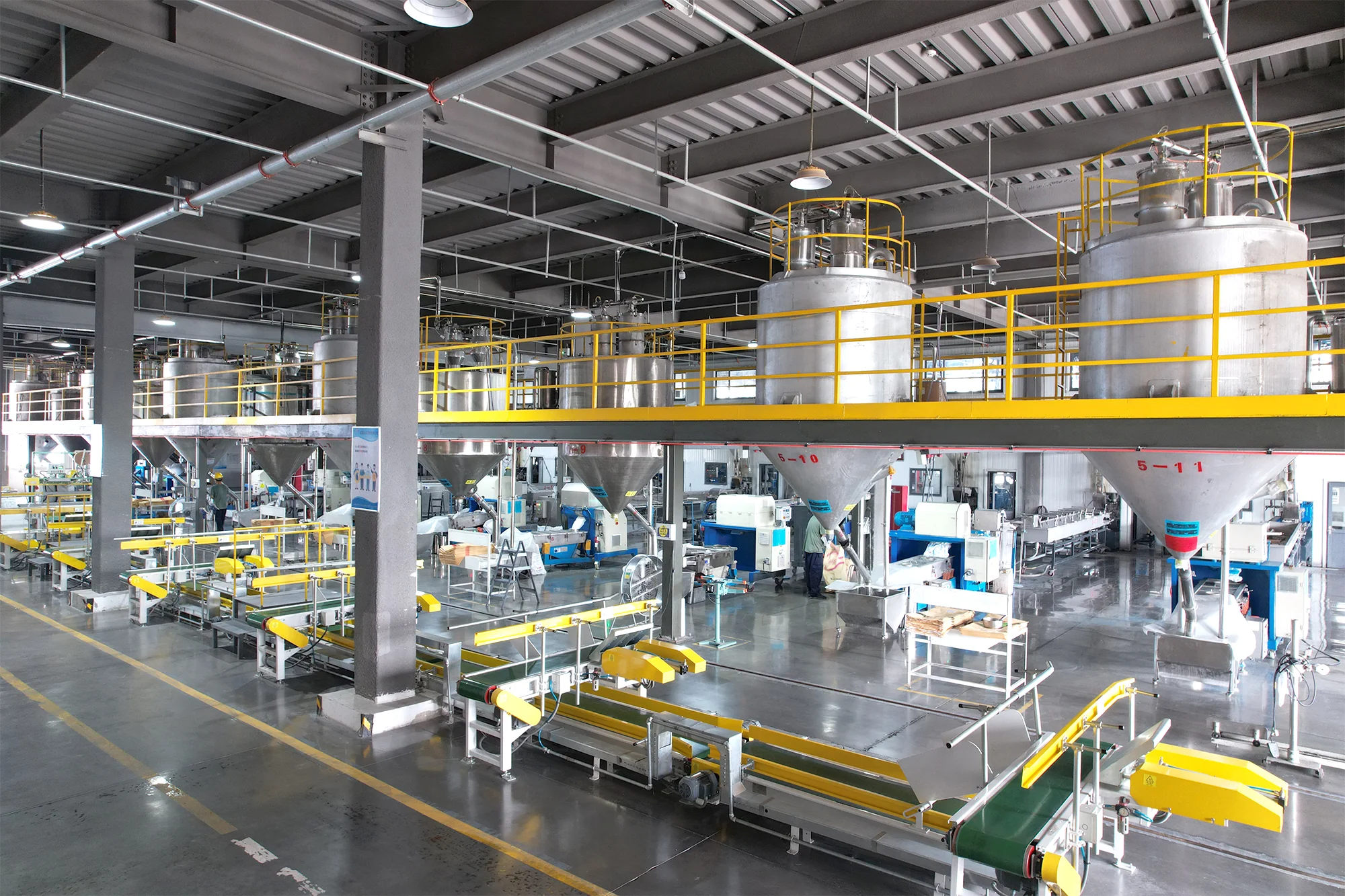
Material selection is only the first step. Consistent supply, reliable logistics, and technical support throughout the production ramp are equally critical.
Qingdao Prime Union Trade Co., Ltd. has been operating in the engineering plastics distribution industry since 2002. As an authorized distributor for Chimei Corporation and Hanwha Total, we supply their full product portfolios — including ABS, GPPS, HIPS, AS, PMMA, PC, and PC/ABS alloys from Chimei, as well as engineering plastics from Hanwha Total. Beyond these principal agencies, we maintain direct partnerships with SABIC, LyondellBasell, Kumho, Borealis, Sinopec, and other major producers, covering a broad spectrum of materials such as ABS, PC, PS, PMMA, AS, PP, PE, MPPO, PEI, and more.
With four strategically located warehouses across China (primarily in Qingdao and Zibo), we maintain substantial inventory levels to ensure reliable delivery even during periods of regional logistical disruption. Our trading flexibility covers general trade, processing trade (foreign currency and duty-free options), and bonded transfer business. Our location within the Qingdao Free Trade Zone enables USD-denominated transactions and international re-export activities.
Our trading flexibility covers general trade, processing trade (foreign currency and duty-free options), and bonded transfer business. Our location within the Qingdao Free Trade Zone enables USD-denominated transactions and international re-export activities. This operational versatility allows us to serve both domestic Chinese manufacturers and international buyers with equal efficiency.
Our technical capability extends beyond distribution. Qingdao Primetech Plastics Co., Ltd., our sister company, is a 17-year-old modification and color compounding facility. Primetech specializes in toughening, filling, alloying (including PC/ABS and other blends), flame retardancy, and custom color matching. Standard color and basic modification samples are available within 3 days, with production quantities delivered in 7 days. This integration of distribution and compounding gives us hands-on experience in solving application challenges that pure distributors cannot match — from molding troubleshooting to material optimization for specific end-use requirements.
The choice between Chimei PA-1730 and LG HI121H depends on more than price. PA-1730 excels in flow, hardness, and VOC compliance, making it a strong candidate for automotive interiors, small appliances, and applications where processing efficiency and environmental compliance are paramount. HI121H offers superior impact strength and surface gloss, aligning with consumer electronics and high-appearance components.
For procurement managers, the recommendation is straightforward: define your application's critical performance criteria (mechanical, thermal, and regulatory), validate with physical samples on your existing tooling, and qualify a supply partner capable of providing consistent material quality, logistical reliability, and technical support. Bulk-grade ABS is not universally "better" than emulsion-grade — but the gap in environmental compliance and processing efficiency is widening, and the choice will increasingly depend on regulatory pressures and production economics rather than raw performance numbers alone.