SABIC PMMA 17OP: The Optical LGP Extrusion Grade Powering Next-Generation Displays
The global display industry is undergoing a significant transformation. With the rapid adoption of mini-LED backlighting, OLED technologies, and advanced optical systems, the demand for high-purity optical-grade materials has never been more intense. According to MarketsandMarkets, the PMMA market is projected to grow from USD 6.34 billion in 2026 to nearly USD 8.95 billion by 2034. At the heart of this growth lies a critical component: the light guide plate (LGP). For procurement managers and production engineers in the display sector, selecting the right LGP material directly impacts product yield, optical efficiency, and long-term reliability. This guide provides a comprehensive technical and sourcing analysis of SABIC® PMMA 17OP, an optical LGP extrusion grade engineered to meet the stringent demands of modern display applications.
What Makes SABIC PMMA 17OP the Preferred Optical LGP Extrusion Grade?
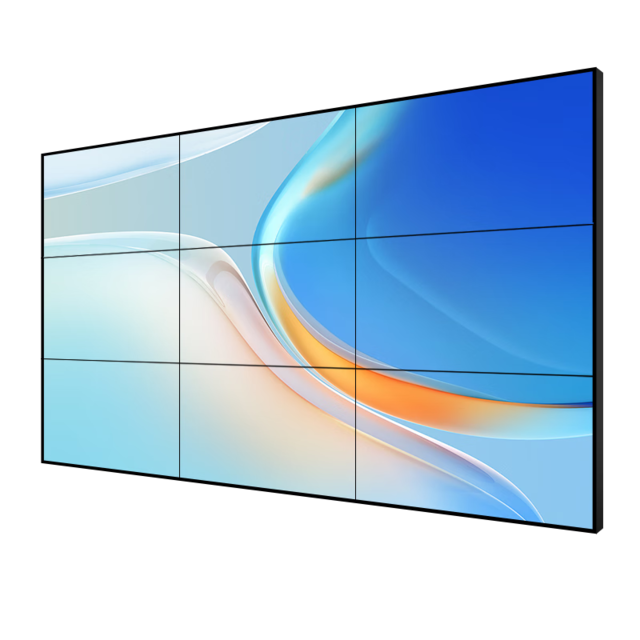
SABIC® PMMA 17OP is specifically formulated for light guide plate extrusion, distinguished by its exceptionally low foreign matter count and low UV absorbance. From our experience supplying the consumer electronics sector, these two characteristics are non-negotiable for high-yield LGP production. Foreign matter—such as microscopic dust or gels—acts as light-scattering centers, creating visible bright spots (or "dot defects") on the final display. For a 65-inch 4K TV LGP, even a single 100-micron contaminant can render the panel unusable, leading to significant material waste. The low UV absorbance of PMMA 17OP ensures that the plate resists yellowing over thousands of hours of backlight operation, maintaining color consistency throughout the product's lifecycle.
Optical Clarity and Light Management
The grade delivers a Total Light Transmittance of 93% and a Haze value of just 0.3% (ISO 13468, ISO 14782). This near-perfect clarity maximizes the luminosity of LED backlights, allowing manufacturers to reduce power consumption while achieving target brightness levels. With a Refractive Index of 1.49 (ISO 489), it ensures efficient total internal reflection—the fundamental physics that guides light uniformly across the display surface. This optical performance is critical for applications ranging from high-end televisions and automotive infotainment displays to commercial signage and medical monitors.
Technical Property Breakdown: Mechanical and Thermal Performance
For any optical LGP extrusion grade, optical properties are only half the equation. The material must also withstand the thermal and mechanical stresses of the extrusion process and the end-use environment.
Mechanical Integrity for Thin-Wall Extrusion
SABIC PMMA 17OP exhibits a Tensile Strength of 75 MPa and a Flexural Strength of 130 MPa (ISO 527, ISO 178). This provides the structural rigidity necessary to maintain dimensional stability during the extrusion of thin, large-area sheets. Its Modulus of Elasticity is rated at 3.3 GPa, ensuring that the LGP remains flat and warp-free, which is critical for maintaining uniform air gaps in backlight units. While the Charpy Unnotched Impact Strength is 20 kJ/m² and the Notched Impact Strength is 1.6 kJ/m² (ISO 179), it offers sufficient toughness for handling and assembly, though it remains a rigid acrylic—meaning careful handling protocols during lamination and transport are essential.
Thermal Stability for Reliable Processing
Display backlights generate significant heat, particularly with high-brightness LED arrays. The grade's Deflection Temperature Under Load (DTUL) at 1.8 MPa is 94 °C, and its Vicat Softening Temperature (B50) is 101 °C (ISO 75, ISO 306). This thermal performance ensures the LGP will not soften or deform under operating conditions. The Coefficient of Linear Expansion (CLTE) is 6e-5 1/°C (ASTM D696), which is a critical parameter for design engineers calculating gap tolerances and mounting clearances in thermal cycling environments.
SABIC PMMA 17OP Key Performance Specifications
The table below summarizes the essential properties of SABIC PMMA 17OP for quick reference:
| Property Category | Property | Typical Value | Unit | Test Method |
|---|
| Optical | Total Light Transmittance | 93 | % | ISO 13468 |
| Haze | 0.3 | % | ISO 14782 |
| Refractive Index | 1.49 | - | ISO 489 |
| Mechanical | Tensile Strength | 75 | MPa | ISO 527 |
| Flexural Strength | 130 | MPa | ISO 178 |
| Flexural Modulus | 3.3 | GPa | ISO 178 |
| Notched Impact Strength (23 °C) | 1.6 | kJ/m² | ISO 179 |
| (unnotched) 20 kJ/m² | 20 | kJ/m² | ISO 179 |
| Thermal | DTUL (@ 1.8 MPa) | 94 | °C | ISO 75-1/-2 |
| Vicat Softening Temp. (B50) | 101 | °C | ISO 306 |
| CLTE (-30 to 30 °C) | 6e-5 | 1/°C | ASTM D696 |
| Physical | Melt Flow Rate (230 °C/3.8 kg) | 1.7 | g/10 min | ISO 1133 |
| Specific Gravity | 1.19 | g/cm³ | ISO 1183 |
Note: These are typical values and should not be used as specification limits.
The Procurement Landscape: Sourcing PMMA 17OP for Optical LGP Production
Navigating the supply chain for high-purity optical grades requires a strategic approach. Unlike commodity plastics, optical PMMA like SABIC 17OP demands rigorous quality assurance and supply chain reliability.
◆
Supply Chain Volatility and Strategic Stocking
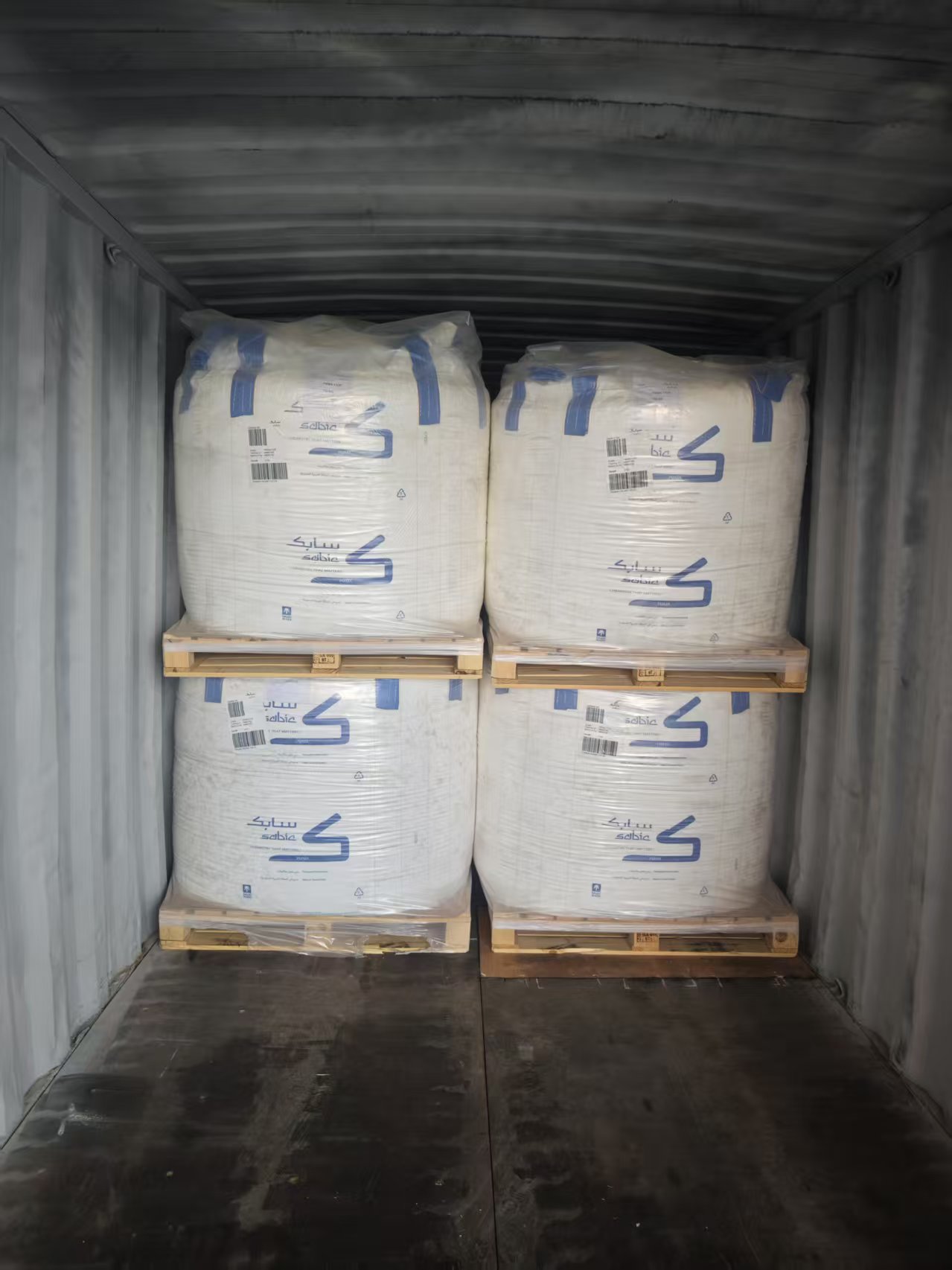
The global LGP market alone is projected to reach approximately USD 585 million by 2031. This growth, coupled with the concentration of semiconductor and display manufacturing in the Asia-Pacific region, puts pressure on the supply of critical materials. Procurement managers must prioritize suppliers with demonstrated inventory depth. Qingdao Prime Union Trade Co., Ltd., for instance, maintains four major warehouses across China, ensuring high inventory levels of SABIC PMMA 17OP to mitigate supply chain disruptions and support just-in-time manufacturing for our partners.
●
The Value of Integrated Technical Support
A significant differentiator in sourcing is technical support. While the datasheet provides the "typical values," real-world processing optimization is where value is created. Over the past two decades, we've seen that successful LGP extrusion requires precise control of drying parameters and melt temperatures. As an authorized Tier-1 distributor for SABIC, we provide direct access to the latest processing guidelines. Furthermore, our integration with Qingdao Primetech Plastics Co., Ltd.—an in-house modification and color compounding facility—provides hands-on experience with downstream processing. This allows us to offer practical advice on troubleshooting issues like die lines, gauge variation, and optical defects that may arise during extrusion.
Processing and Handling Best Practices
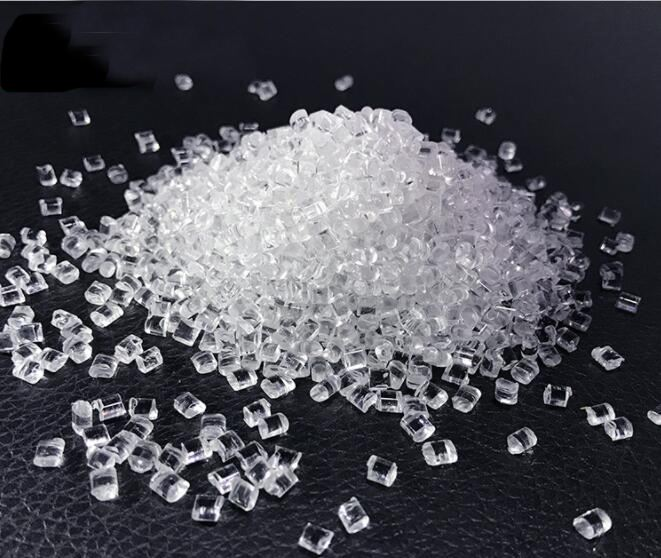
To achieve the optical clarity specified in the datasheet, SABIC PMMA 17OP must be handled and processed with care. The material is available in pellet form. Based on our work with LGP extruders, we recommend the following critical processing parameters:
| Process Step | Recommended Parameter | Note / Impact |
|---|
| Pre-Drying | 80–90 °C for 3–4 hours | Target moisture < 0.04% to prevent splay marks. |
| Melt Temperature | 230–260 °C | Stable melt flow for sheet formation. |
| Melt Flow Rate | 1.7 g/10 min (230 °C/3.8 kg) | Excellent balance of flow and melt strength. |
| Contamination Control | Fine-mesh screen pack + clean hopper | Essential to maintain low foreign matter spec. |
Additional recommendations:
Ensure the drying hopper is equipped with a dew-point monitor to verify the dryer is functioning correctly.
Use a purge compound specifically designed for acrylics when transitioning between materials to prevent contamination.
Monitor extruder screw speed to maintain a consistent melt pressure, as fluctuations can lead to gauge variation in the final sheet.
Conclusion
As display technologies evolve toward higher brightness, finer pitch, and larger formats, the demand for superior optical-grade materials will only intensify. SABIC® PMMA 17OP stands out as a proven optical LGP extrusion grade, combining exceptional clarity (93% transmission, 0.3% haze) with the mechanical and thermal robustness required for high-volume manufacturing. For procurement managers and engineers, the key to success lies not just in selecting the right material, but in partnering with a distributor that offers supply chain security and deep technical expertise. By leveraging a supply partner with extensive inventory and in-house modification capabilities, manufacturers can ensure consistent quality, reduce time-to-market, and stay ahead in the competitive display landscape.

 English
 Korean